

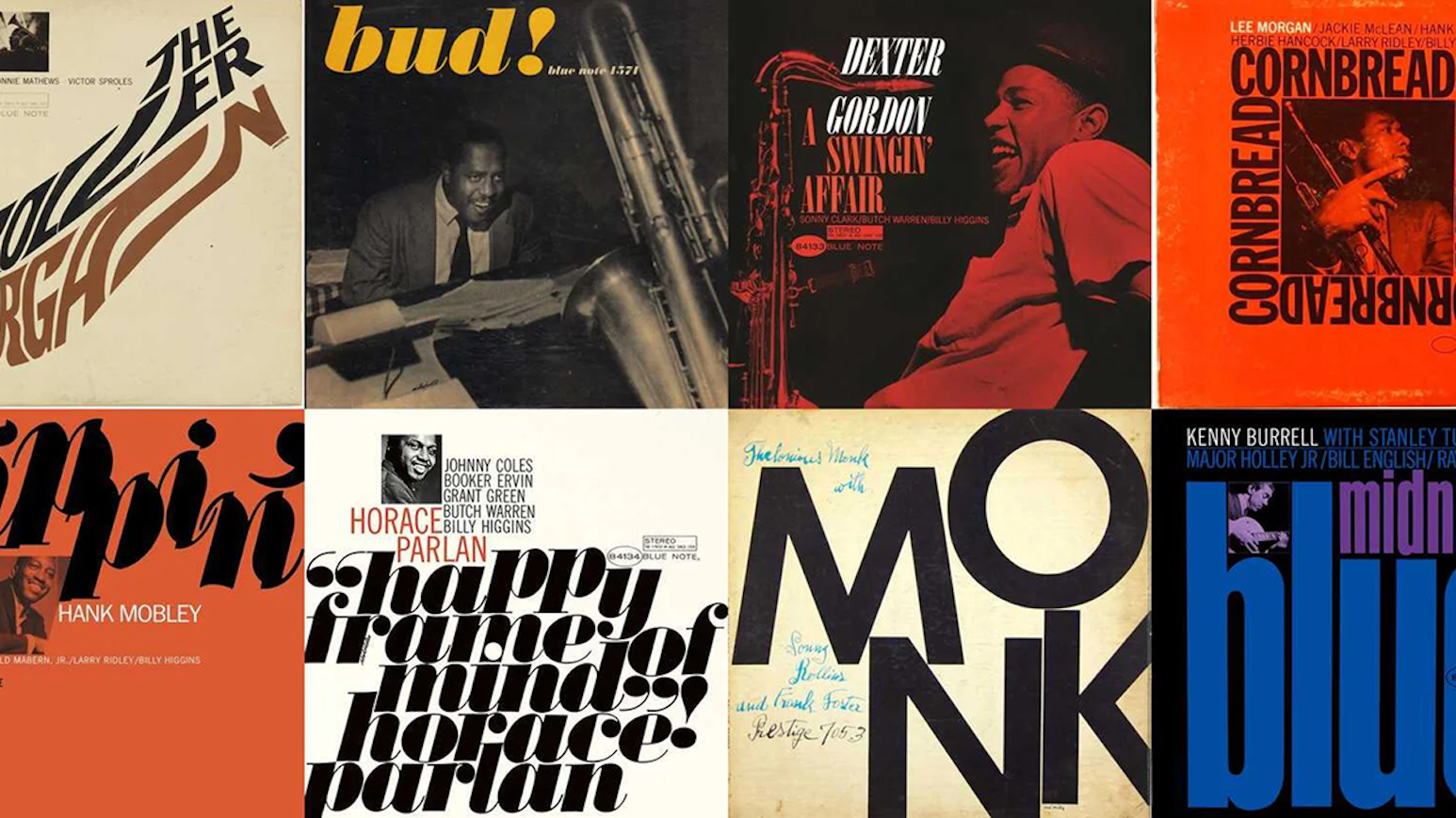
For 85 years, Blue Note has been one of the coolest brands in the world.
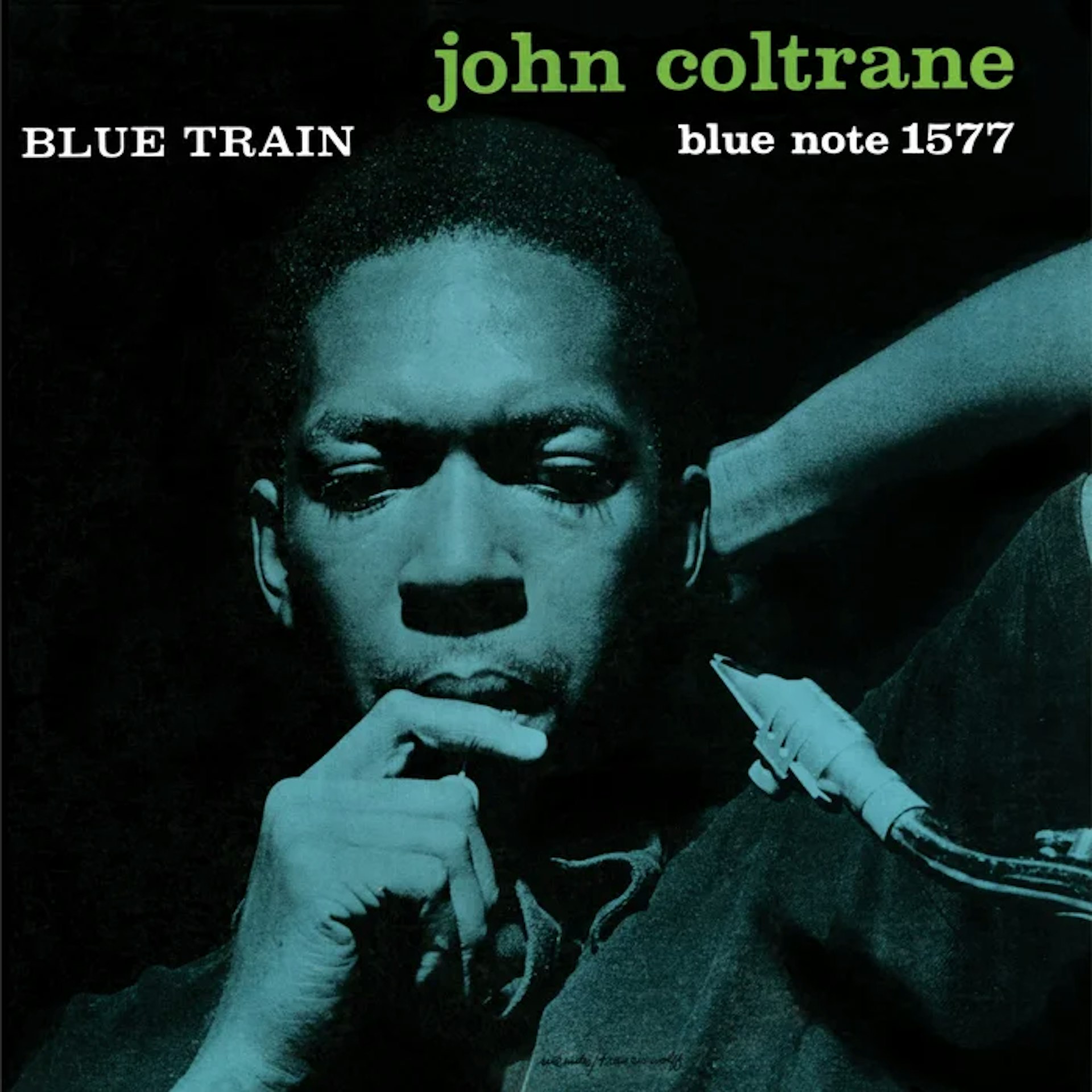
Unforgettable vinyl from John Coltrane and Miles Davis are delivered in sleeves designed by Reid Miles, the whole package the epitome of mid-century style and elegance. No serious record collection is complete without a shelf of Blue Note classics.
But 85 years is a long time. And music is the most fashionably driven of all art forms. So it’s not surprising that there was a time when the spotlight slipped away from Blue Note.


Bruce Lundvall (and John Coltrane)
A new voice.
One such time was January, 2001. Bruce Lundvall had his feet on his desk, staring at the gold discs framed on the wall. He had taken on a huge exec job at Columbia Records on condition that, as a side hustle, he could run Blue Note. Friends were calling it “Suicide Note”. But he loved Blue Note. It was a big part of why he was in the music business at all.
His finance director had asked him to see someone. His FD never, ever, asked him to see people. So, Bruce was curious.
She was neatly dressed and polite. Modest, but not shy. There was something very calm and centred behind that gentle face. Said her name was Norah Jones and that she was 21. Yes, she had brought a tape.

“Come Away With Me” came whispering through the huge speakers.
Bruce went cold. It was The Moment. The lightning bolt that every producer dreams of. When you hear something that you know is truly great and that nobody in the world has heard yet. Something that will be wedding music, proposal music, funeral music. Something that millions of people will hear for three minutes then hold in their hearts for the rest of their lives.
Bruce then did an extraordinary thing. Something that surprised even him. He said that this song was too big for Blue Note. It was a mainstream song, in the right hands, it could be a huge hit. He was going to walk Norah across to 550 Madison to meet the President of Columbia Records. This was a huge song that belonged on a huge label.
Politely, but very firmly, Norah said no. She loved Blue Note. All her favourite artists were on Blue Note. She had only ever dreamed of being a Blue Note artist. Didn’t want anything else. “And if I only sell 12 records on Blue Note at least I’ll know that every one of these records was listened to, very, very carefully.”
“Come Away With Me” was released, on Blue Note, in 2002. Norah’s 12 records sold in seconds, then 27 million more. 8 Grammys, including Best Album and Best Song. Norah Jones is a global star.



Today and tomorrow.
Today’s President is Don Was, legendary producer and musician with Iggy Pop, Ziggy Marley, Bob Dylan and the Rolling Stones. He was quick to see the vinyl revival coming and surfed it with some quality reissues. Blue Note recordings respond especially well on audiophile 180-gram vinyl.
But the label had a problem. Hip hop artists were lifting huge samples from Blue Note classics, especially the great bass lines.
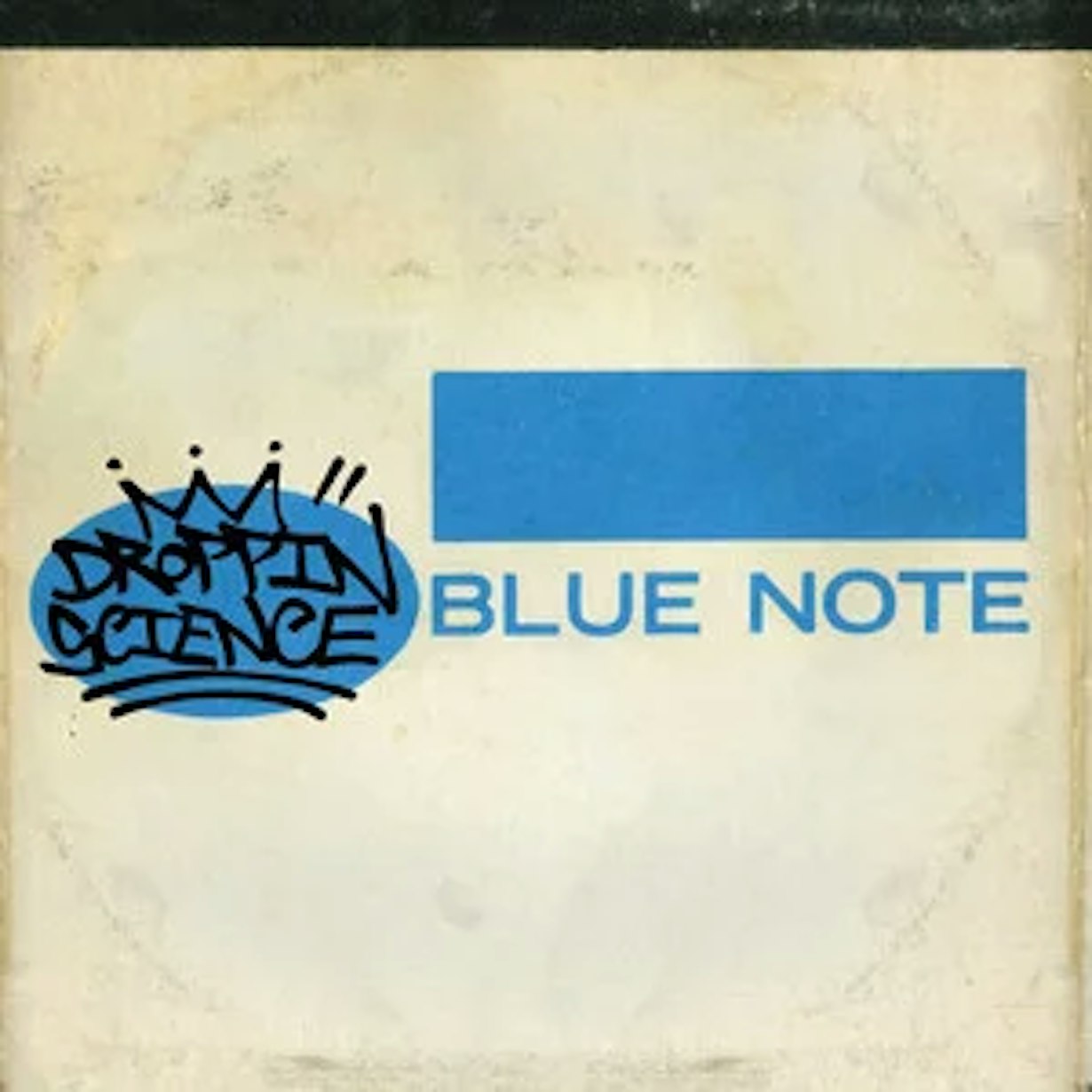
Legal was drafting writs, but Don Was thought that this was “just not a Blue Note thing to do”. Instead, he did the opposite. He opened the doors to a legendary series of collaborations, with albums from A Tribe Called Quest, De La Soul, and Nas.
Today, the label is as revered in the hip hop world as it is in jazz. (The logo is one of the most requested stencils at Harlem Tattoo on 125th.)


The look.
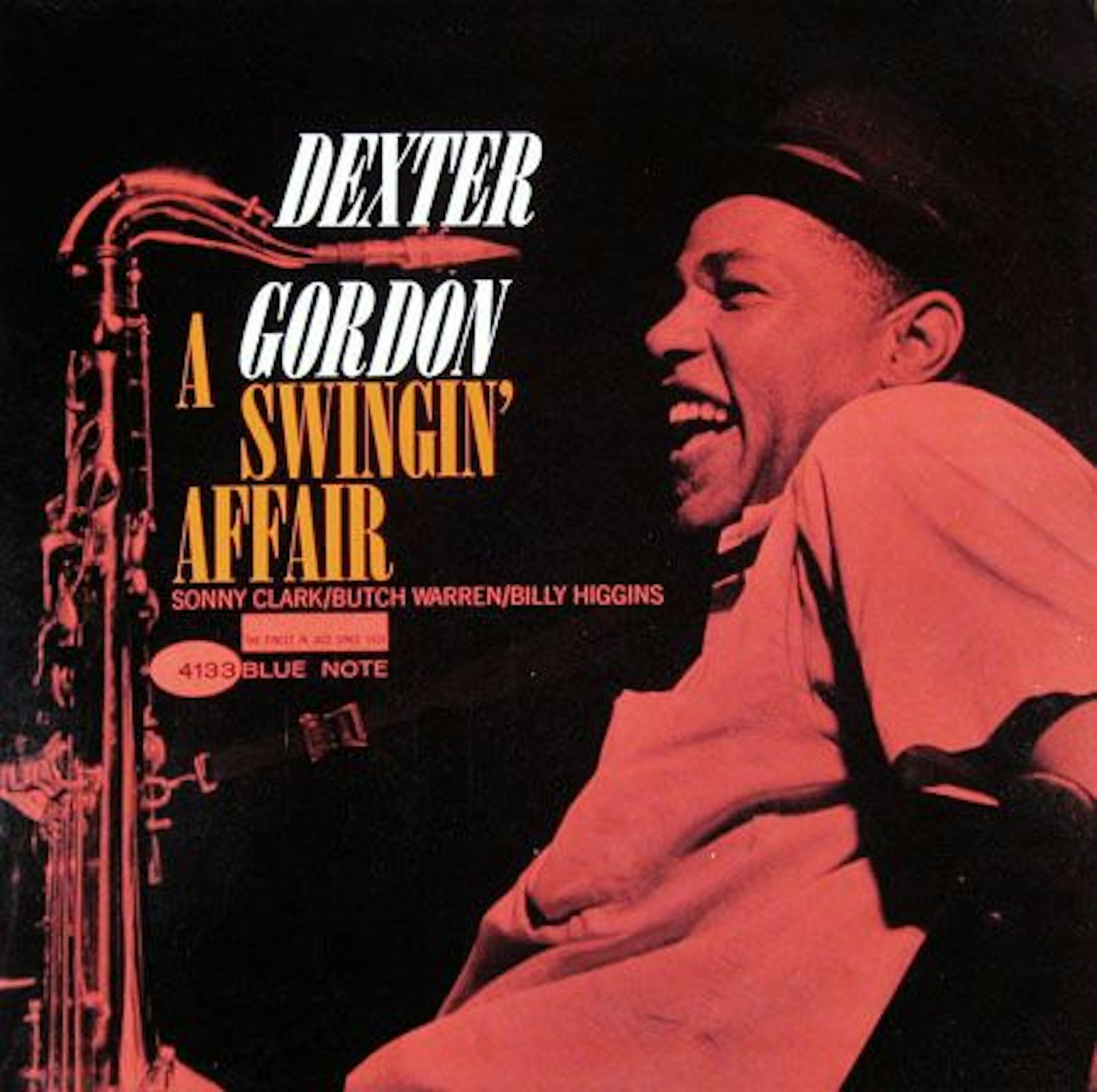
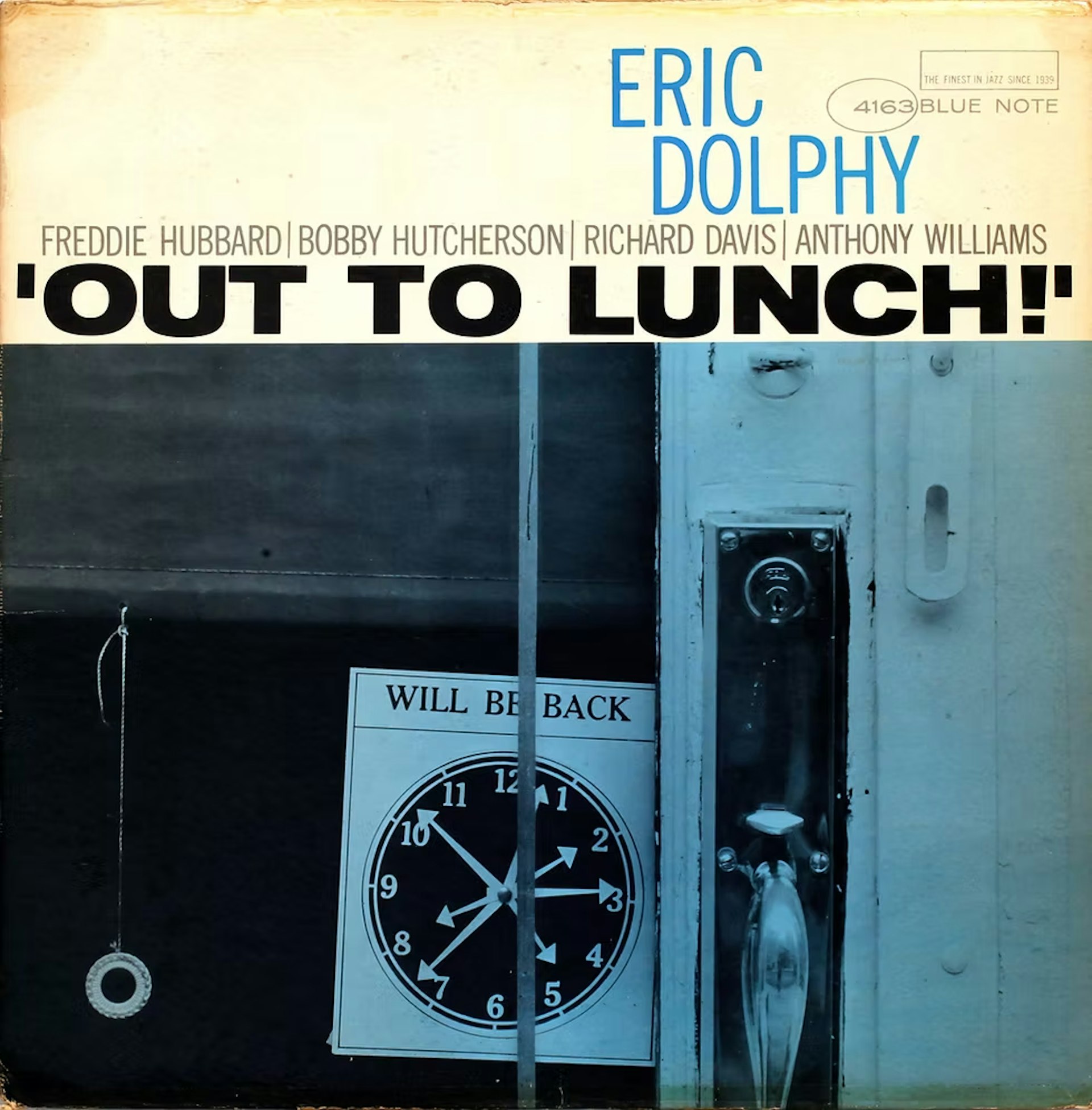
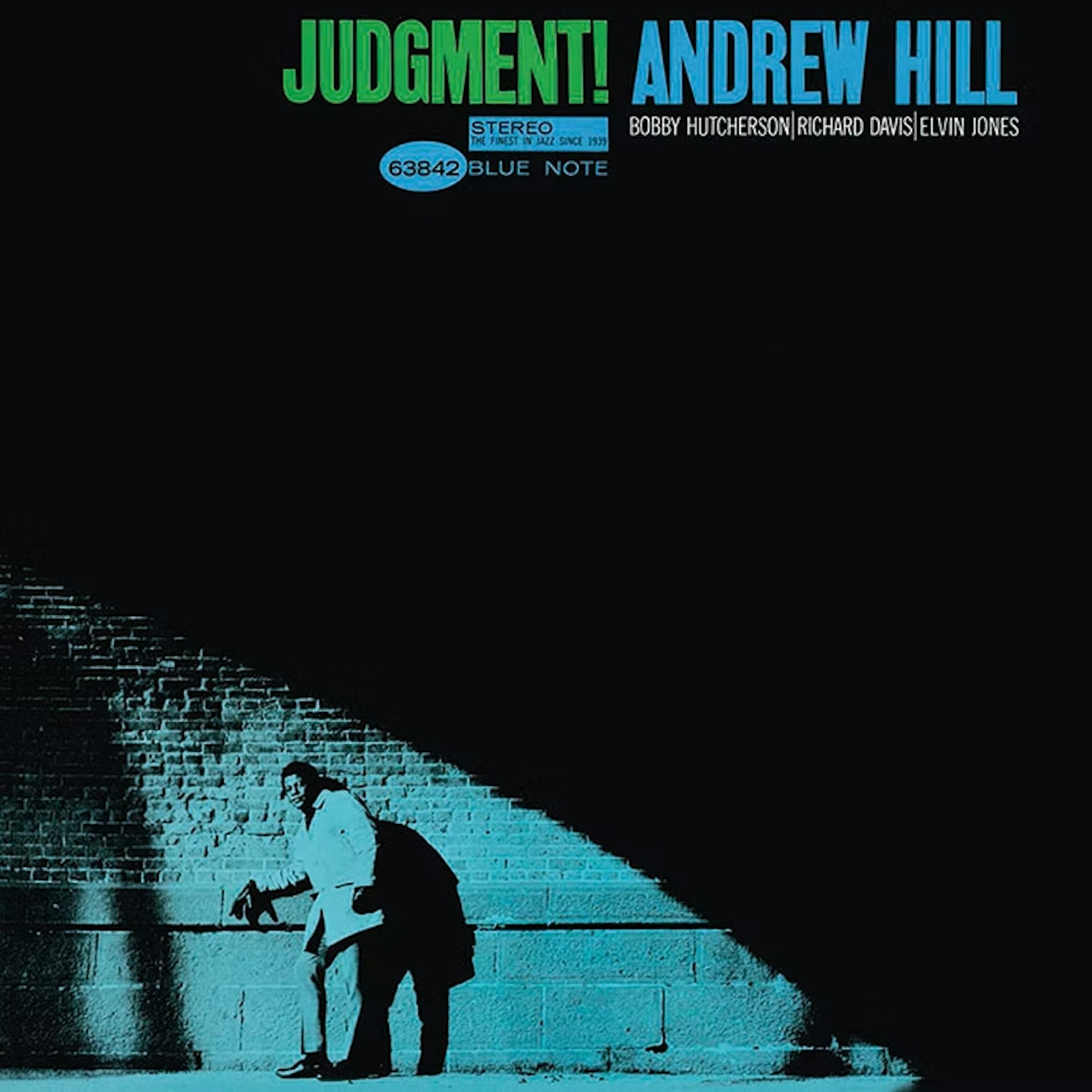
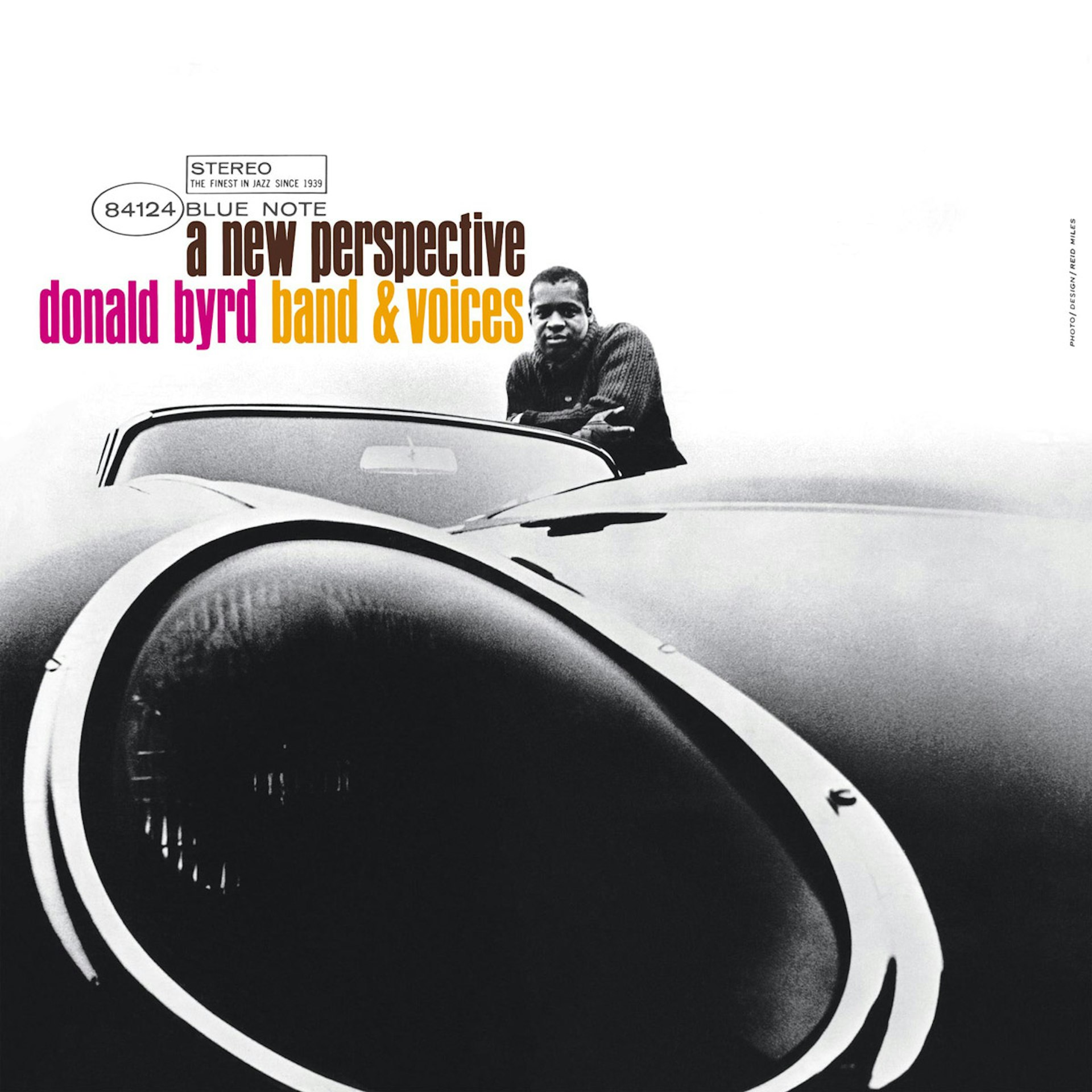
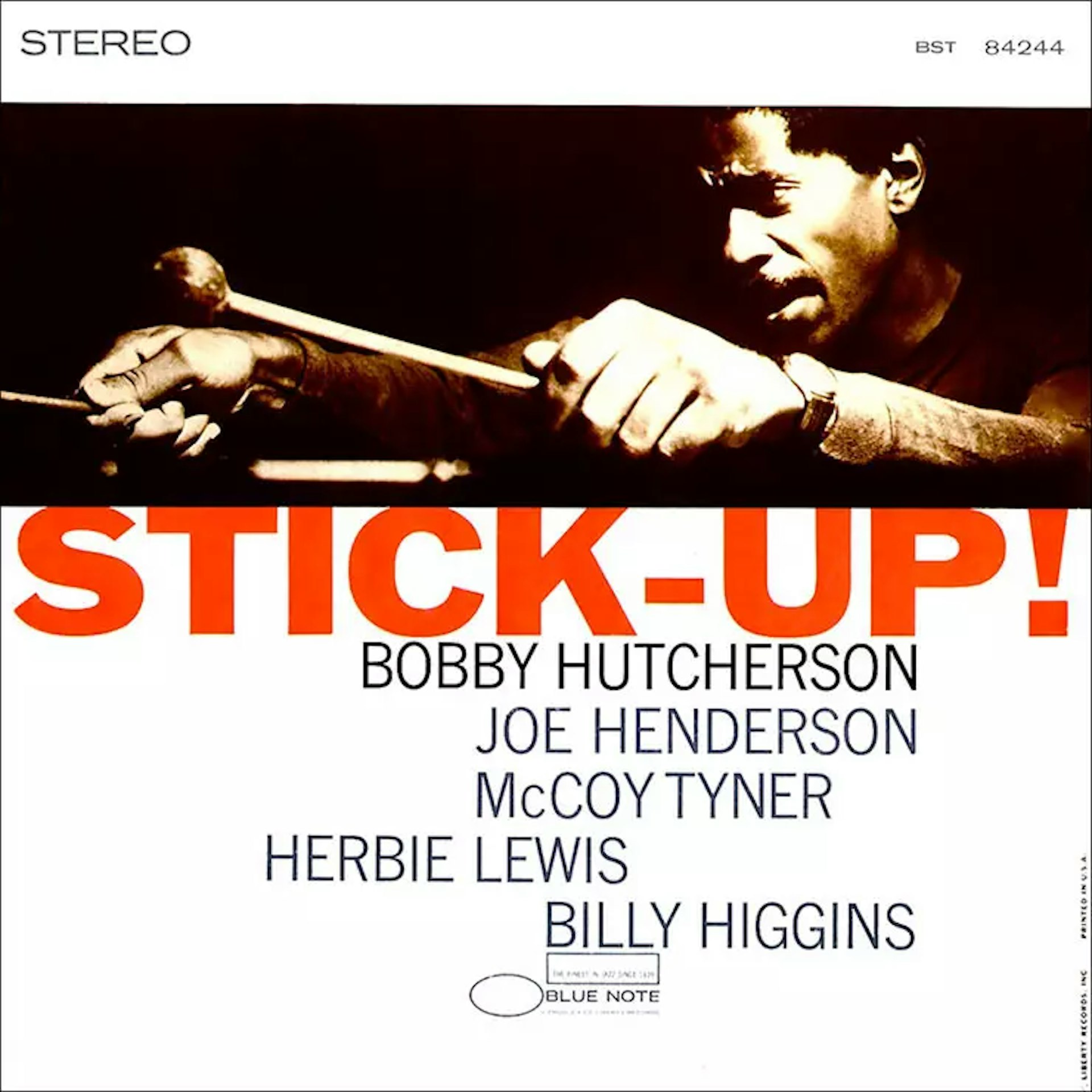
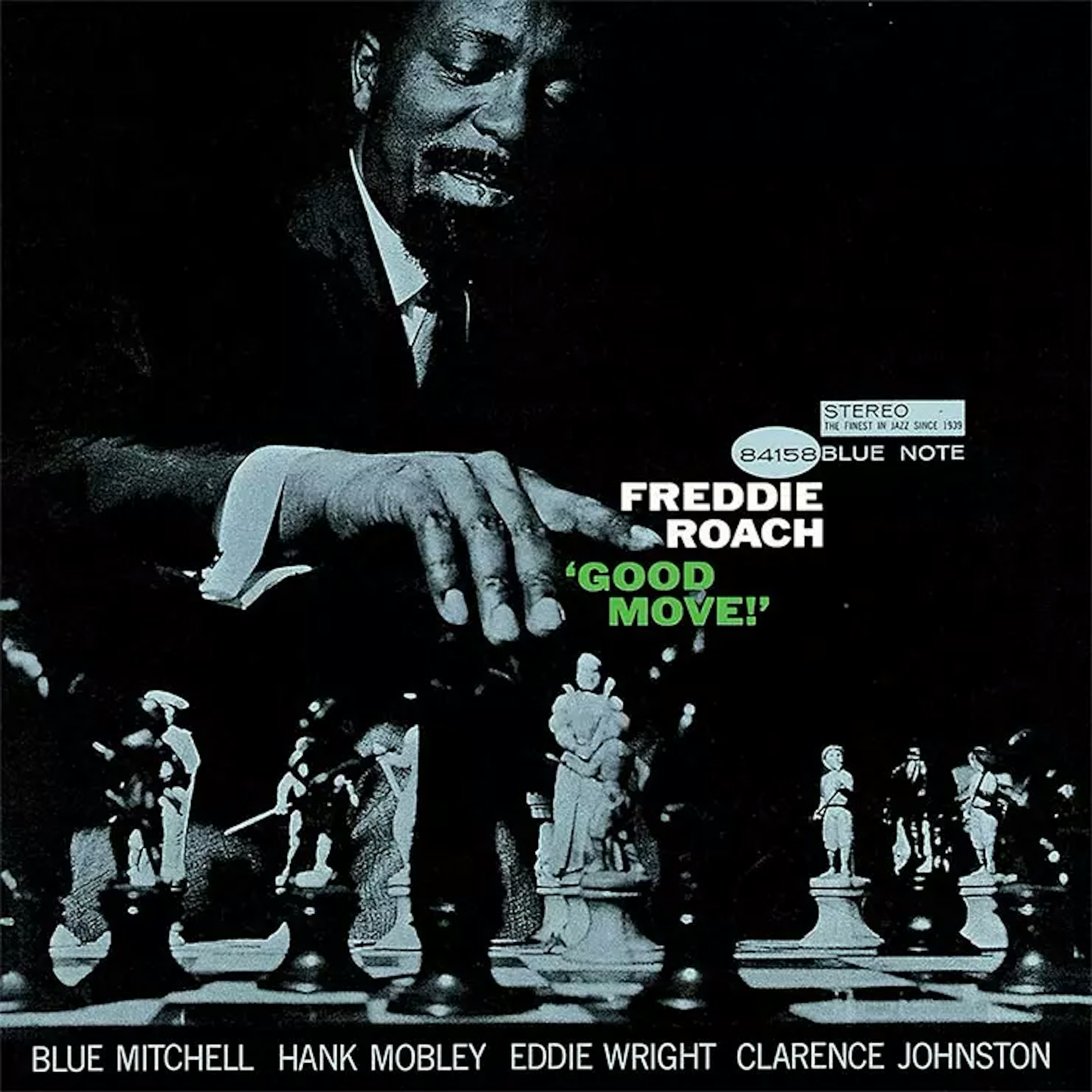
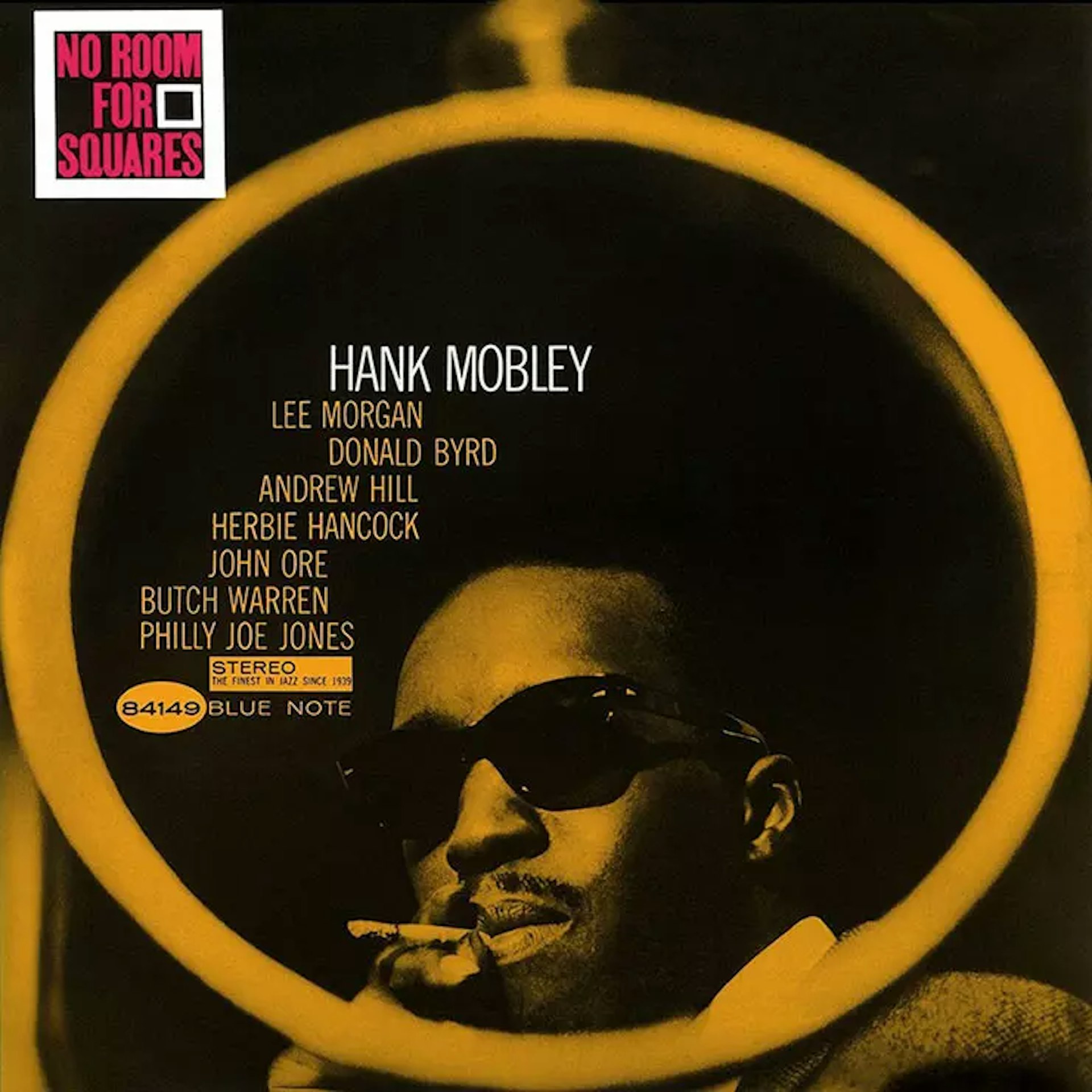
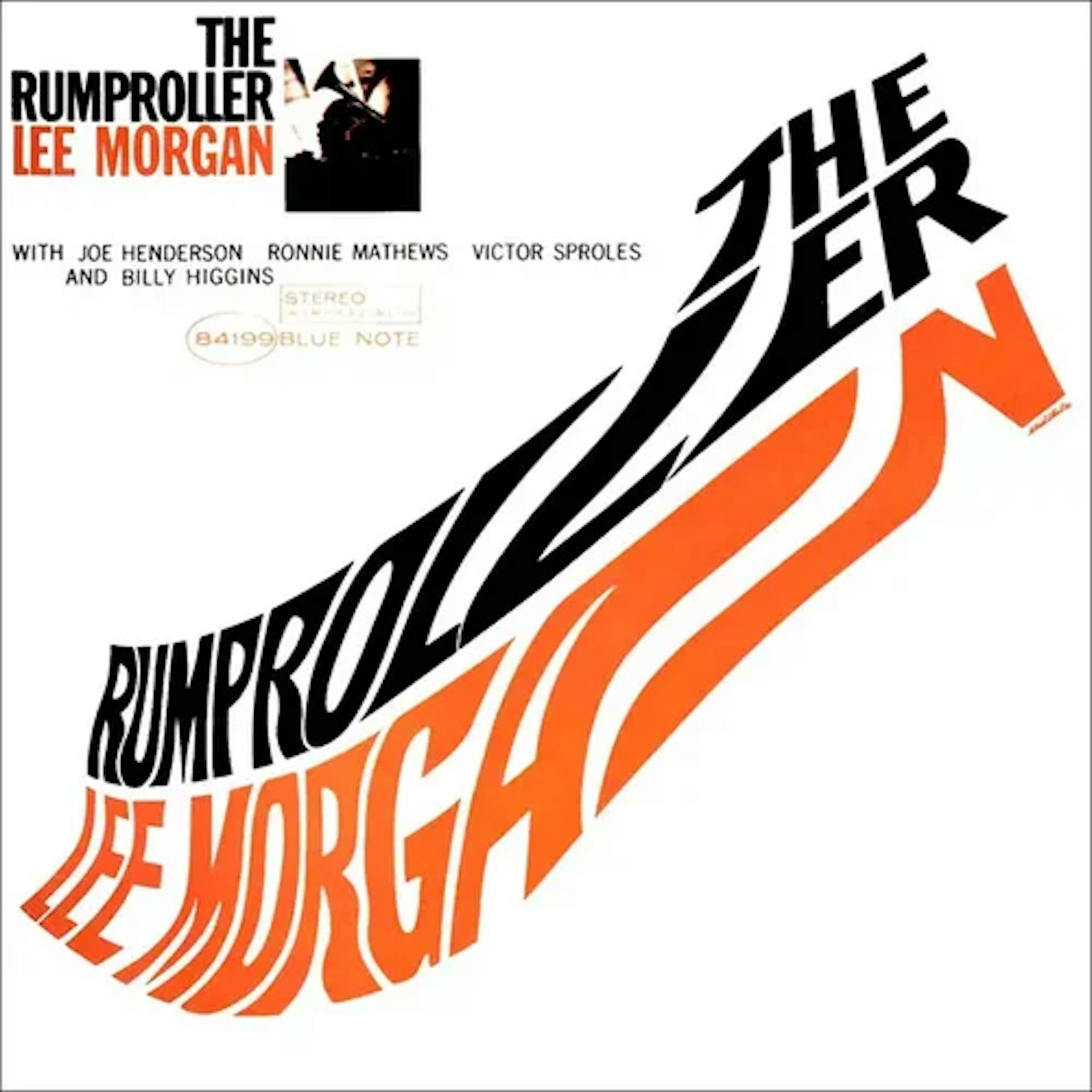
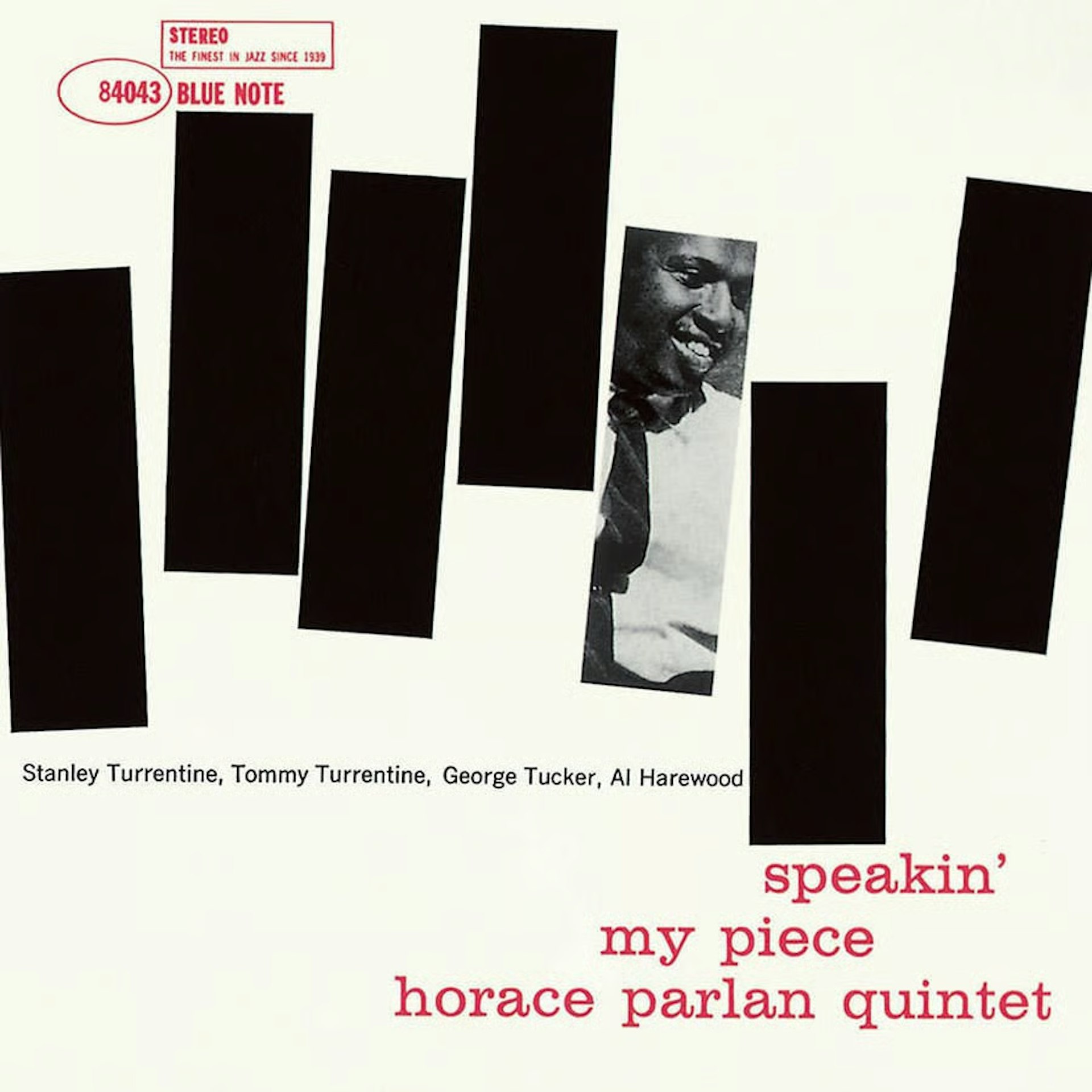
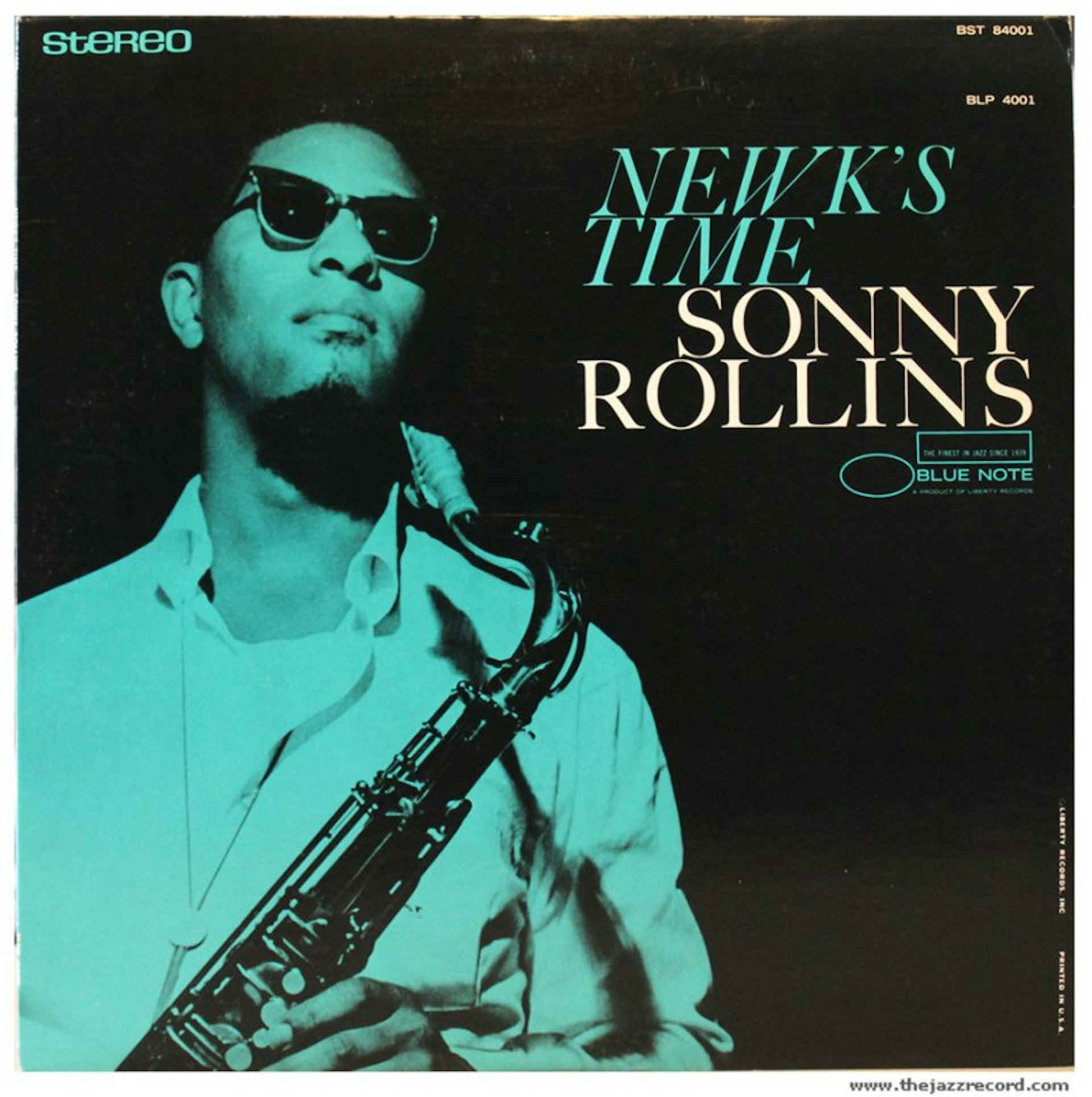
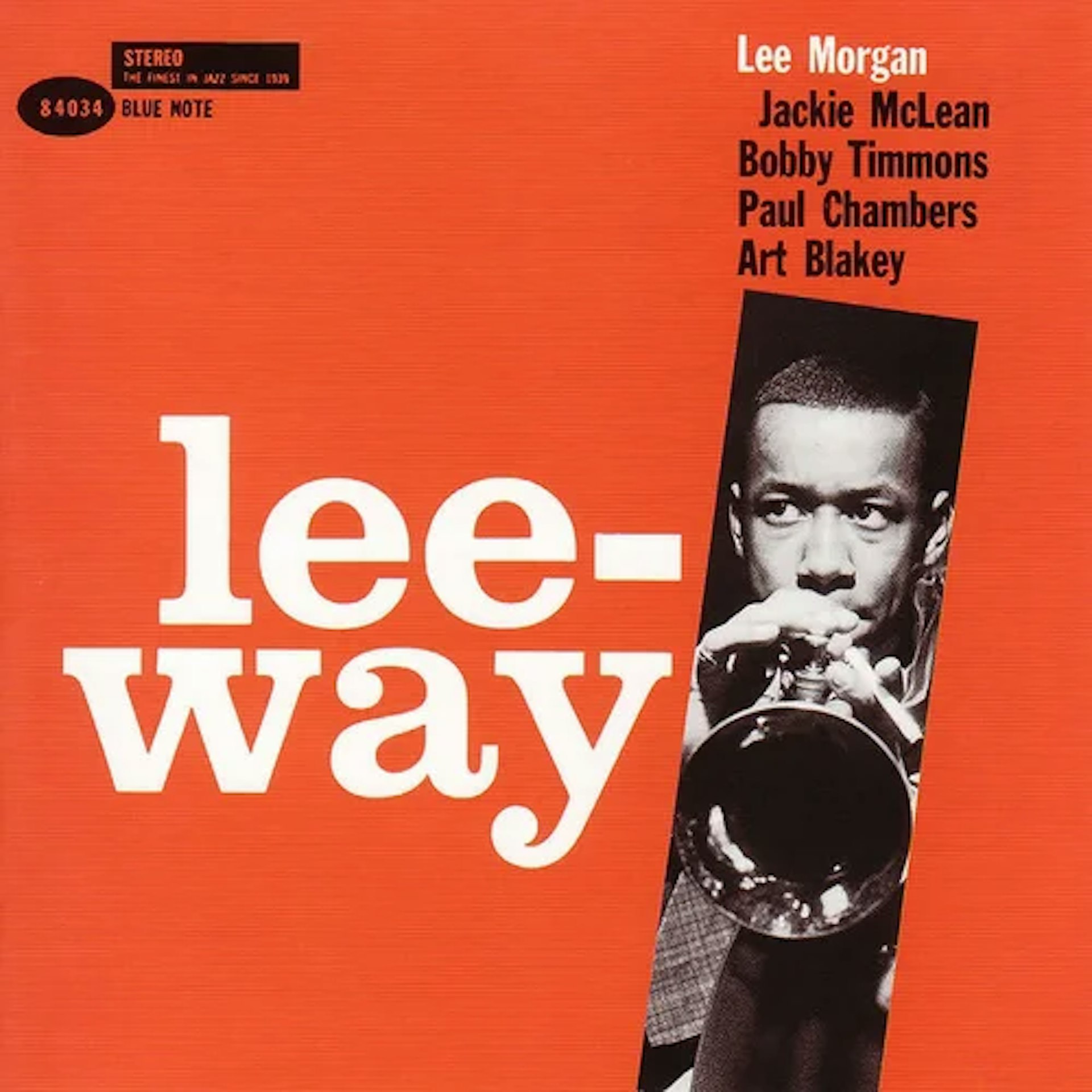
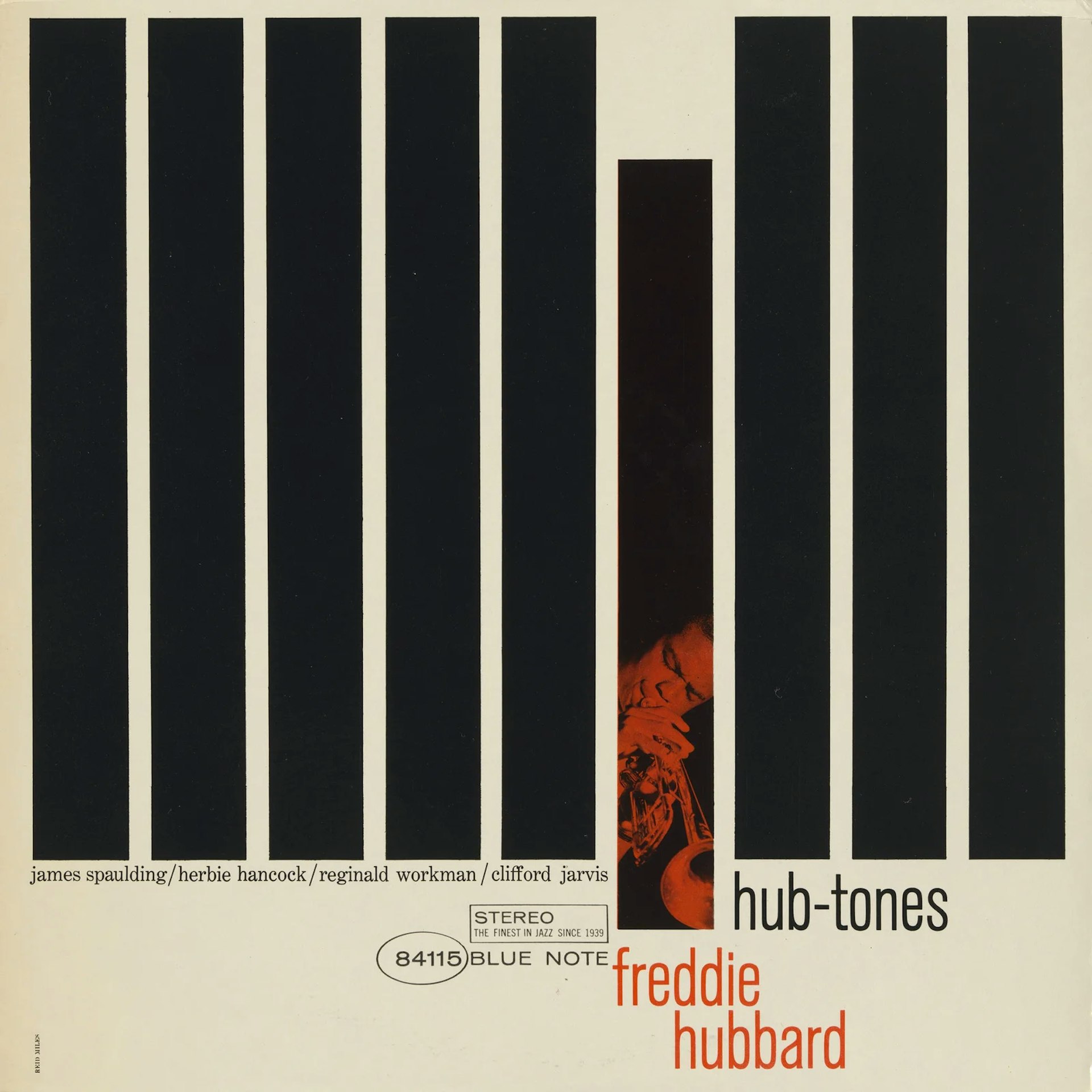
“I wanted people to hear the record just by looking at the sleeve”
For more than a decade, mid-’50s to mid-’60s, a single designer, Reid Miles, was the look of Blue Note. He was freelance, with a day job, so most of the work was done at night or over the weekend. For $50 a sleeve, he produced more than 500 album designs, a string of classics that have never been surpassed.
He was fast. For the logo, he compressed a semiquaver into a rectangle over an oval to create a beautiful modernist classic. One thousand albums later, it still holds up. Now, it always will.
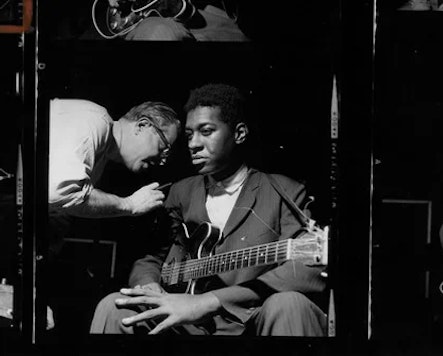
Mostly, Miles worked on Francis Wolff’s shots of the artists. Wolff prowled the studio during the sessions. A professional photographer in Germany, the Bauhaus had taught him to use a twin-lens Rolleiflex which, with its top-down viewpoint, gave him a low angle that was perfect for the intimacy of the small studio. With the new Kodak Tri-X film, which could be rated at 400 ASA, he had everything he needed to work in the confined, dark space. The result was a series of jazz portraits that are a benchmark in photography, as great as any ever taken.
Reid Miles didn’t treat these classics with the reverence and respect that galleries do today. As far as he was concerned, they were just another graphic asset. He cropped radically, ran shots at random angles, washed the lovingly illuminated black-and-whites with transparent tints and laced type through the image. Wolff regularly exploded when he saw the designs. The louder he shouted the more German he became. If Reid Miles ever heard him, he gave no sign.
“I wanted people to hear the record just by looking at the sleeve.”
Blue Note fans will say that he did just that. What makes it even more surprising is that the designer didn’t much care for the music. Preferring classical, he was always “more Mozart than Miles Davis”.




The odd couple.
And yet, while the brand is dripping with cool, the men who created it certainly were not. In their baggy cardigans with leather elbow patches, Alfred Lion and Francis Wolff could pass for German geography teachers. Lion’s accent, which 30 years in America did nothing to soften, sounded like a tourist in a comedy. Francis Wolff would dance in the studio during the sessions. The musicians thought his dad dancing was hysterical. What was he listening to? Where was he finding that beat? It sure wasn’t anything they were playing.
But these two oddball refugees commissioned and produced some of the finest music ever recorded, packaged and presented in a design style that’s taught in schools and collected by museums.
Lion and Wolff were friends in Berlin. In 1939 they met up again in New York where they had both come to escape the darkening clouds that were gathering over Germany. In Berlin they’d been part of the bohemian cultural scene, where they had encountered real jazz. They loved the music, it spoke to them of freedom, liberty and a wonderful release from the stuffy claustrophobia of high German culture.
In 1939, they made the first Blue Note recording.
Right from the start, their approach was very different to any other record label. It was all about the music, the money didn’t matter. As long as they had the cash to fund another session, they would keep recording.
From the beginning they paid for rehearsals, which was completely unknown at that time. For jazz, which depends on improvisation, this was priceless. It allowed the musicians to play in before they had to address the mic.

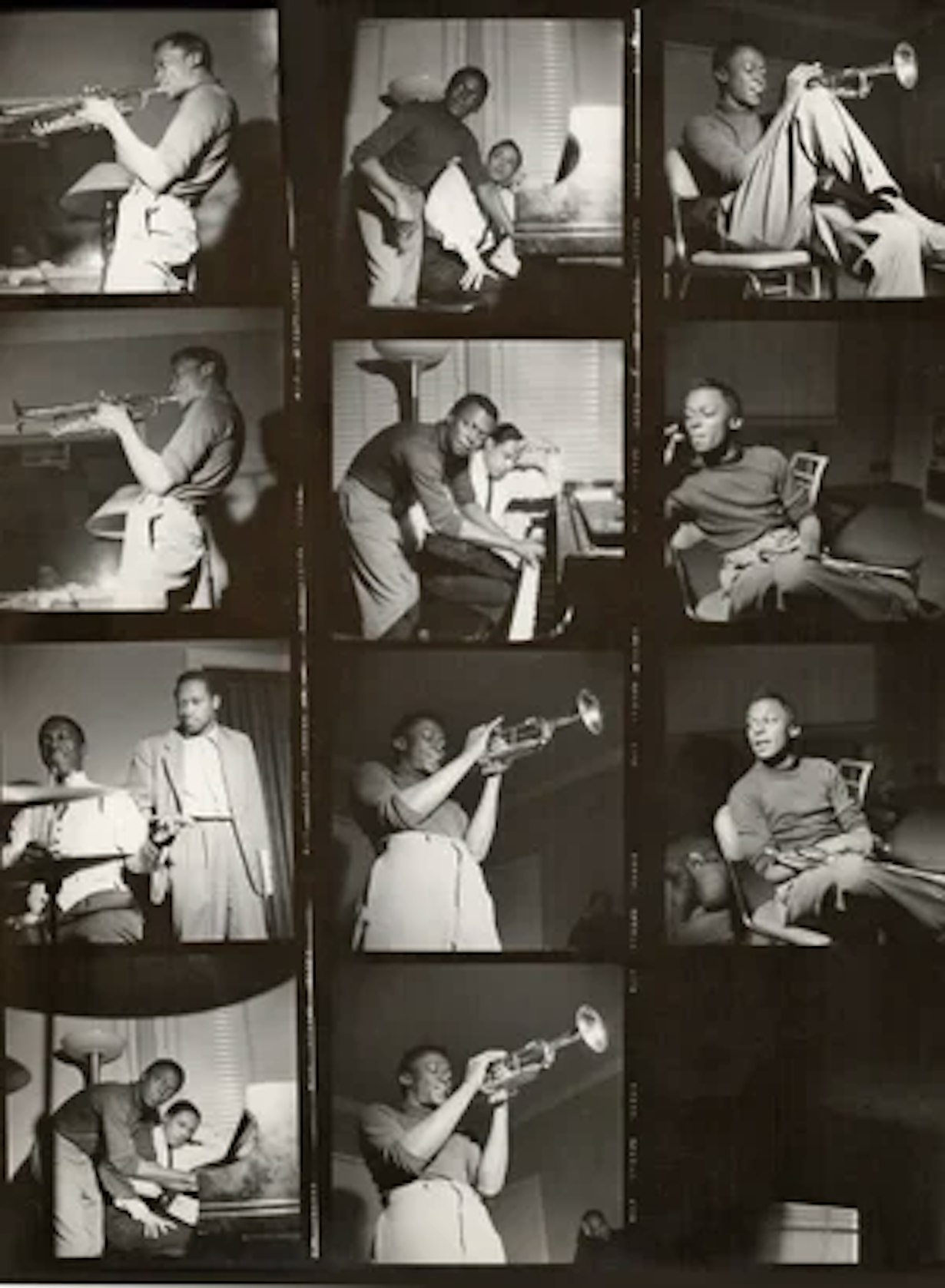

Lion and Wolff had an uncanny ear for authenticity. They wanted the real thing. Although they are now legends, most of the musicians on Blue Note had been flatly rejected by major studios. Their music was too difficult. Thelonious Monk was a classic case. The label kept recording him for five years, during which time there was no audience at all for his challengingly idiosyncratic piano.
The big labels found the new jazz musicians impossible. John Coltrane and Miles Davis weren’t interested in repeating things that had worked before. They refused to churn out new versions of old hits. The labels thought they were difficult and demanding. Blue Note didn’t. They saw perfectionists, who were trying to create something that nobody had ever heard before. The musicians couldn’t tell you what it was, but they would know it when they found it.

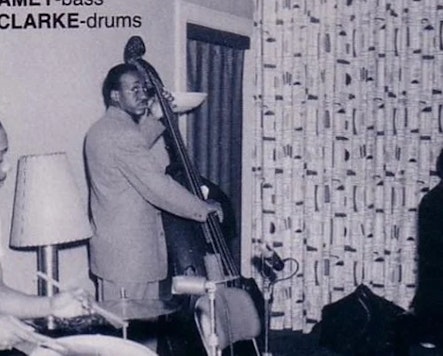

Van Gelder used German valve microphones. Nothing else would do. They were placed for each player with the precision of a tailor-made suit. Obsessively protective of his secrets, he concealed the brand names on all of his equipment with duct tape. He always wore rubber gloves. No-one was ever allowed to touch his system. And no-one did, because the sound was perfect. Musicians still talk about “the Hackensack sound” eighty years later. The clarity, tone and nuance of these instruments, packed together in a low-ceilinged room, produced something magical that has never been equalled or matched.
(Rudy van Gelder, Perfect Takes)
In its ninth decade, Blue Note keeps doing what it has always done, using music to describe the world.
And, yes, you can hear the music just by looking at the sleeves.