
On the 4th of May, 1904, two men met at the Midland hotel in Manchester. They were strangers, but over lunch they decided to make the best motor car in the world.
Which they then did. Their partnership lasted less than six years, but in that time their names became inseparable. They had created one of the world's strongest, most resilient and most respected brands. Their joint name has become a synonym for excellence: every brand in the world wants to be "The Rolls-Royce of..."
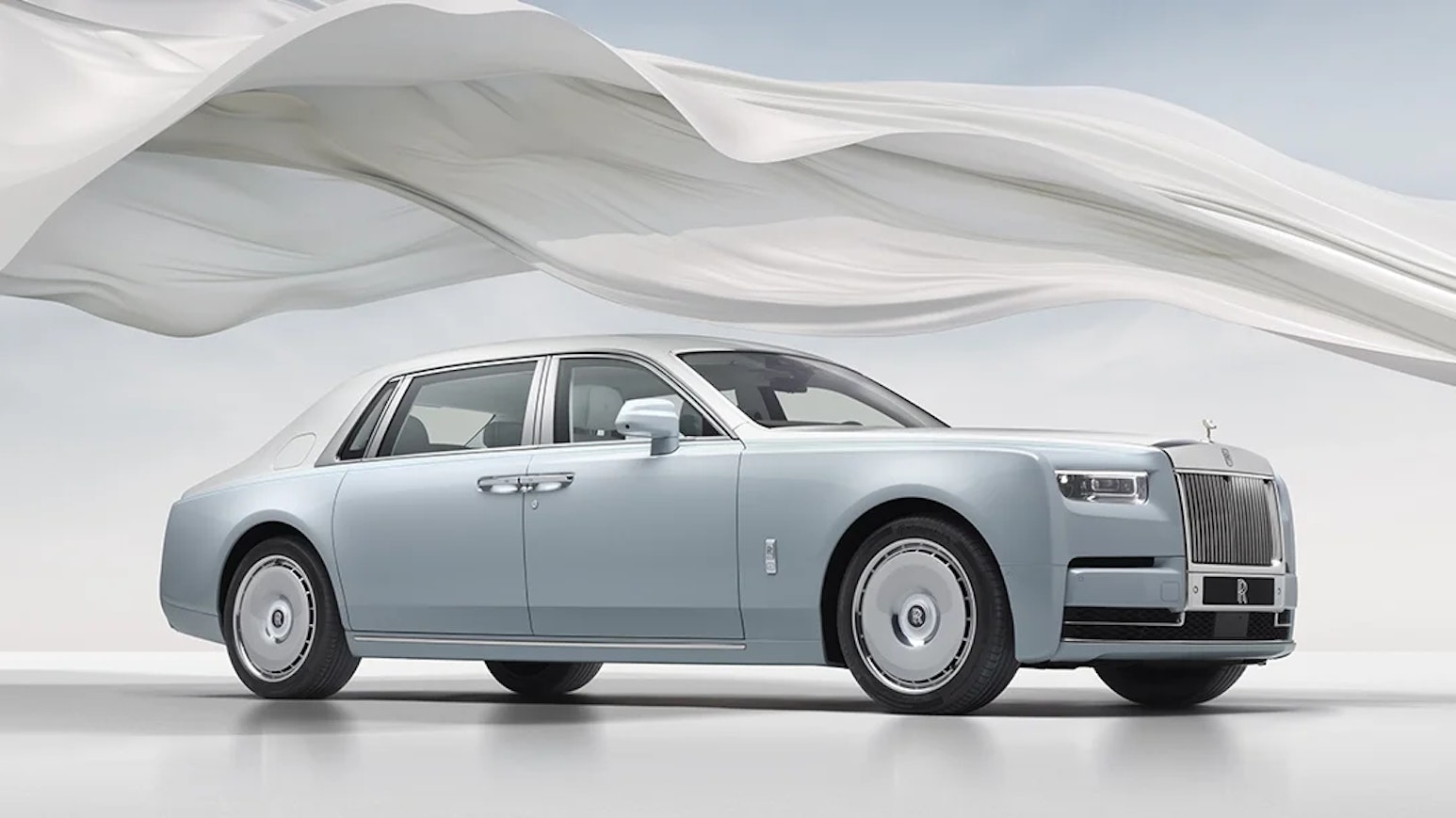
When Pentagram refreshed the identity in 2020, they described Rolls-Royce as "the most precious brand in the world".

It may well be that, but we still don't know much about the original identity. The badge, created by overlapping two caps Rs, has been on every car for 118 years, but no-one knows who designed it. Likewise, the unmistakeable "Pantheon" radiator, also on every vehicle - even carried forward onto the all-electric Spectre - is also a book without an author.
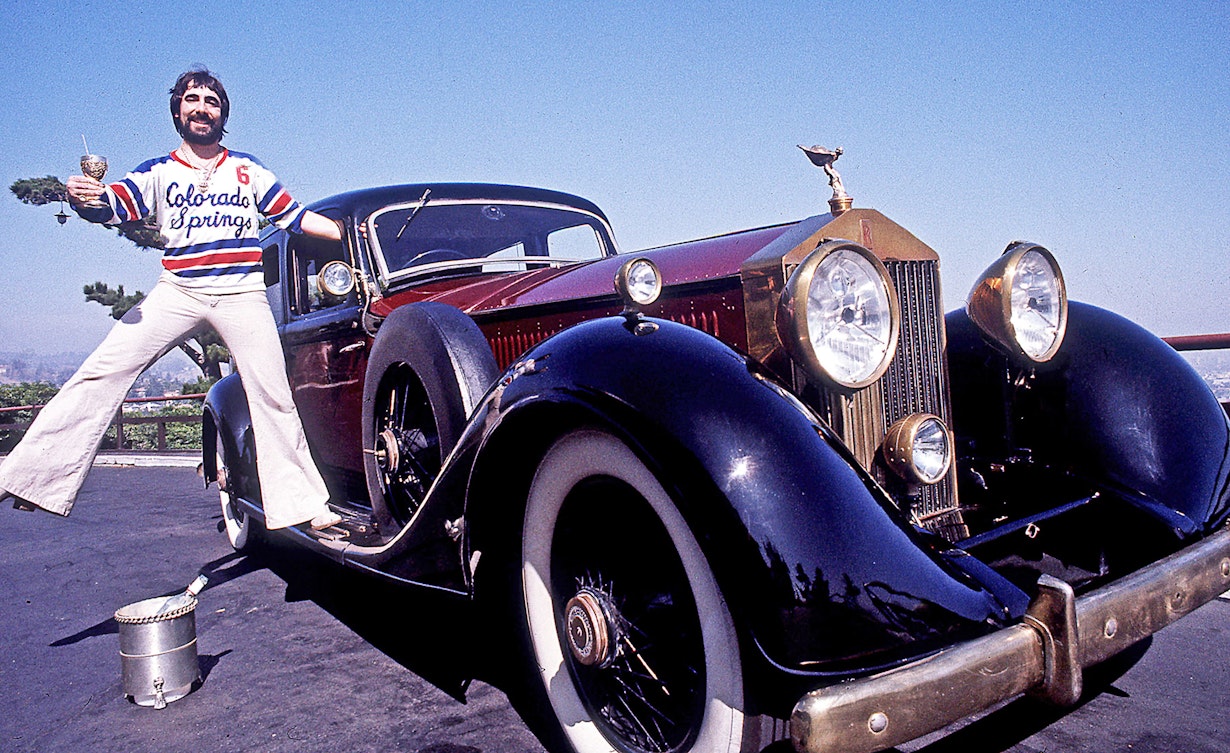
Keith Moon with his 1929 Rolls-Royce

But there are bigger problems than that: it is also a brand that polarises. Some people - and there are a lot of them - can't get past the idea of a huge, thirsty car that costs twice as much as a decent house.
And if that idea is offensive, just look at the users. We judge brands by their customers. Rolls-Royce has always targeted heads of state and leaders of industry. Over time it has attracted celebrities from the world of entertainment and sport. So it's hardly surprising that the user group can generously be described as a mixed bag. The good, the bad and the very, very ugly. Jimmy Savile was a vocal loyalist. But so were John Lennon and Paul McCartney, perhaps the only British double act to equal the eponymous Rolls and Royce. A gathering of the most famous Rolls-Royce owners would look like a recreation of the cover for their Sgt, Pepper's Lonely Hearts Club Band album. Would Vladimir Ilyich Lenin (9 cars) be comfortable sharing the stage with Elvis Aaron Presley (only 1)? Queen Elizabeth the Second with Fifty Cent? It's an eclectic group that would include dozens of Olympic medallists and more than forty Nobel Prize winners. Plus Alfred Nobel himself.
But if the image of the brand may be controversial for some, the quality of the product is beyond question. From day one, the quality control has been legendary. Here is an extraordinary fact: more than 73% of the Rolls Royce cars ever made are still roadworthy.
And the drivers are getting younger. In 2000, the average age of a Rolls Royce driver was over 60. Today it is 42. That makes the Rolls Royce the youngest car in the BMW Group. Its driver profile is younger than the Mini.
The most precious brand in the world? Yes, quite possibly.
Move fast...
...and make things
It's an extraordinary achievement. At the start of the twentieth century, every great nation was striving to stake a claim in the new car industry: America with scale, Germany, France and Italy with quality. And yet they were all out-performed by a two-man company working from a cul-de-sac in Manchester.
So, who were Charles Rolls and Henry Royce? And how did they do it?
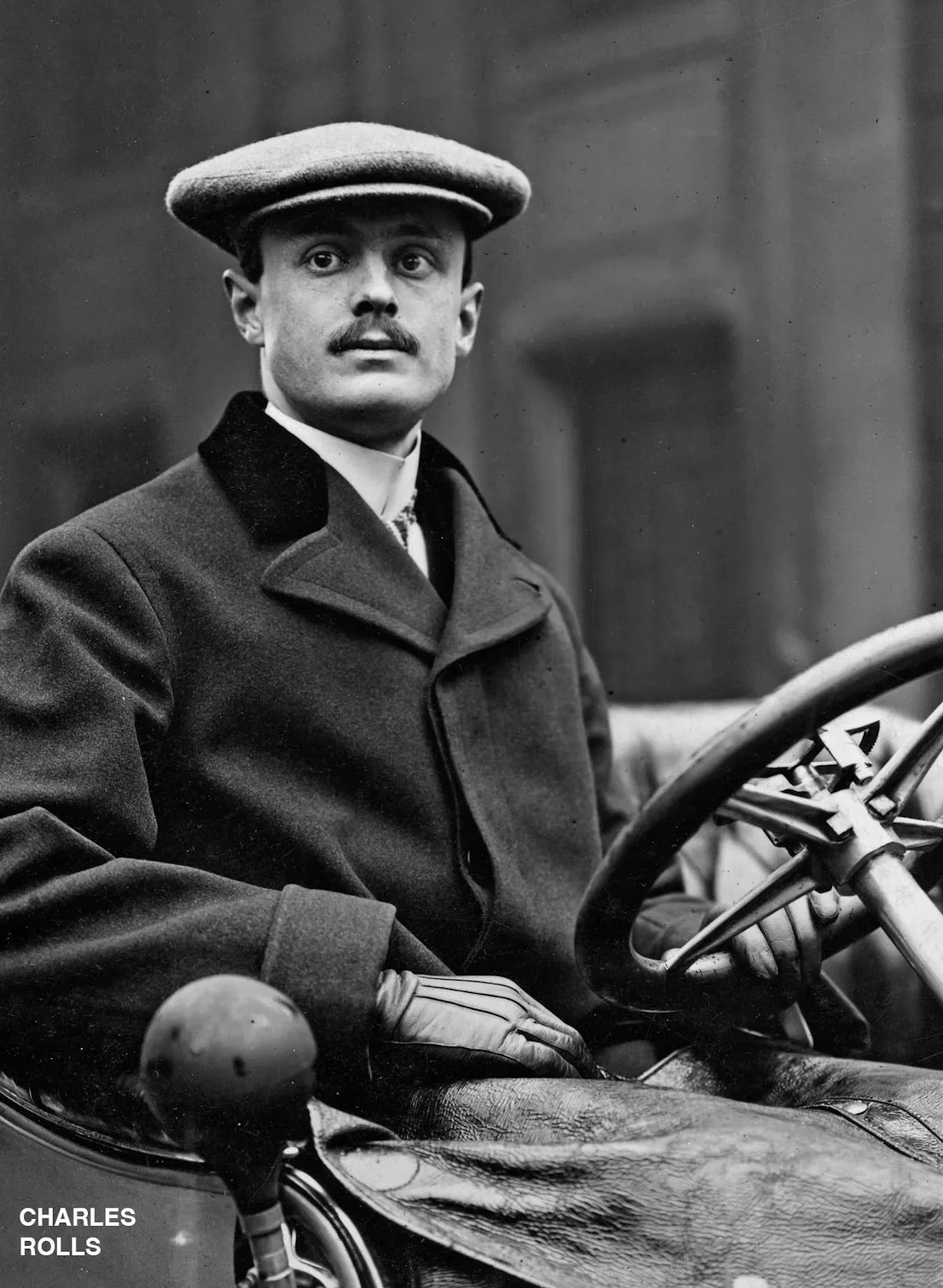
Charles Rolls is like a character from a Noel Coward play. Six foot five, handsome, charming and daring. Born in Berkeley Square, son of a lord. Eton - of course - then Cambridge, where he was the first student ever to frighten the horses by arriving in a rackety motor car.
He was obsessed with speed and with anything that could get him there - cars and motorcycles and aircraft and hot air balloons (he made more than two hundred flights with a group who called themselves, all too accurately, balloonatics.)
In 1900 he wrote the section on automobiles for the Encyclopedia Britannica.
In the same year he completed a thousand-mile reliability trial in a Panhard, a real feat of physical endurance in a vehicle with horse and carriage suspension on rough roads. In 1903 he set a new land speed record of 83 mph, which was witnessed but couldn't be authorised because the measuring instruments weren't of the approved type.
He was an example of the best that old money and a good background could produce: handsome, stylish and daring with old-fashioned good manners and charm. He was everything that Henry Royce wasn't.

002: A licence to fly

Charles Rolls, may I introduce Henry Royce?
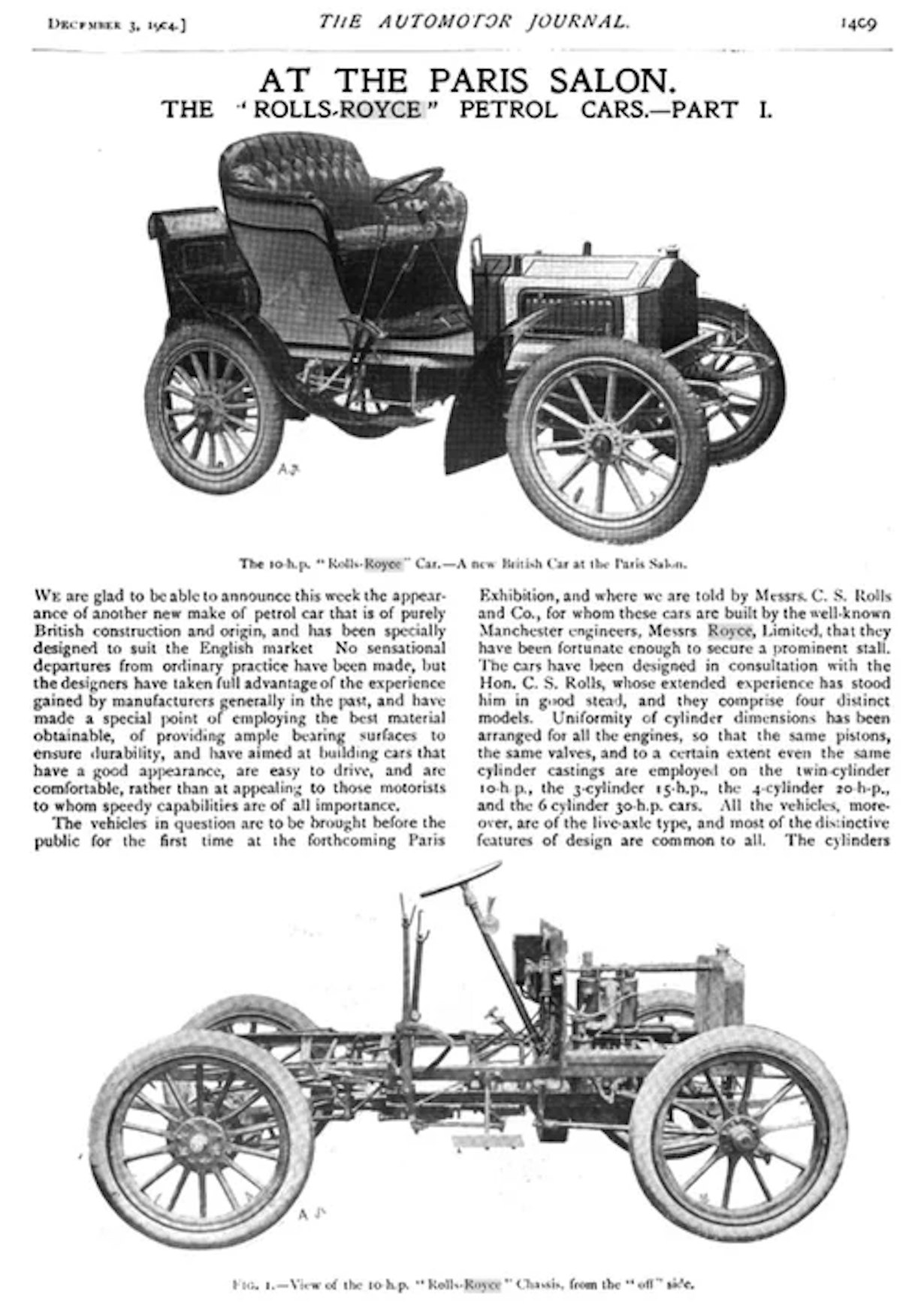

In that same year, the six cylinder Rolls-Royce was revealed. This was the one the world had been waiting for. It was smooth, silent and sophisticated. Lord Montagu, a fan from day one, would demonstrate the stability of the engine by filling a line of champagne glasses on the bonnet. Having quaffed the champagne, he would then head home. The roads were quieter then.
Claude Johnson, the MD, had an instinct for publicity that perfectly complemented Rolls' flair for showmanship. In a genius piece of instinctive marketing they made a Special Edition with all the panelling polished silver and the metallic components silver plated. It glowed and gleamed. When combined with the silky smooth and almost silent movement, the effect was ethereal.
They named the car, like a yacht, "Silver Ghost" and took it to Paris.
The sheer quality of the vehicle guaranteed that it was an immediate sensation. One journalist wrote “If a six cylinder vehicle goes past and you can't hear anything, it's a Rolls-Royce."
But another journalist was even more definitive. He wrote a six word conclusion that was to be quoted in Rolls Royce advertising for decades to come:
"The best car in the world"
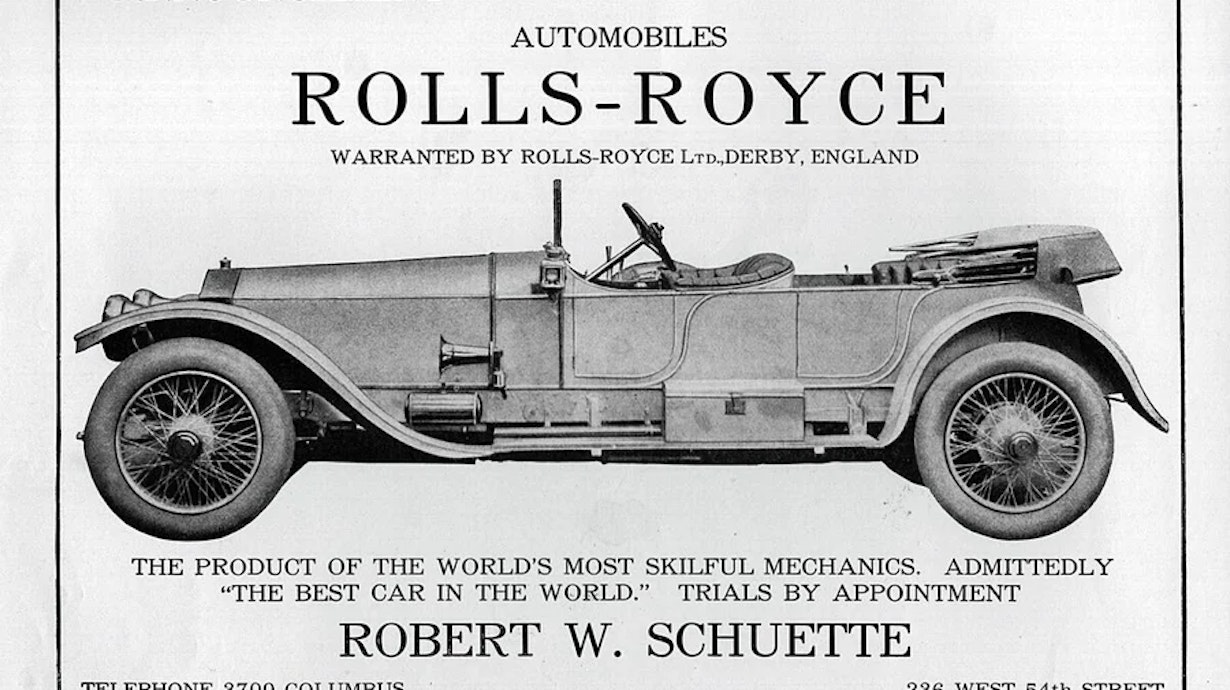
"Admittedly"
There were few who would disagree. Within weeks, the Silver Ghost was the benchmark against which every other vehicle was measured.
1906 was a busy year for Charles Rolls. In May, he broke the Monte Carlo to London record in a Ghost. In October, he was in New York to demonstrate its speed on the Empire City track. His more efficient engine slipped gracefully past all the bigger, noisier, local contenders. In one visit, Rolls-Royce had conquered America.
Henry Ford, not known for his generosity to his competitors, said Royce was the only person in the world who could put heart into an automobile. He bought a Silver Ghost, the only car he ever owned that was made by another manufacturer.
What set Rolls-Royce cars apart was not just that they were smooth, silent and beautiful, but that they had achieved the impossible: they were reliable.
In 1907 the Ghost was entered for the brutal Scottish Reliability Trials, a 750-mile 4-day test on seasonal roads in the worst of weathers. It was a test best suited to tough, rugged agricultural vehicles. The urbane Ghost took the gold.
The next challenge, in the same year, was the record for non-stop motoring which stood at 7098 miles. Under RAC supervision, the Ghost clocked up an astonishing 15,000 miles.
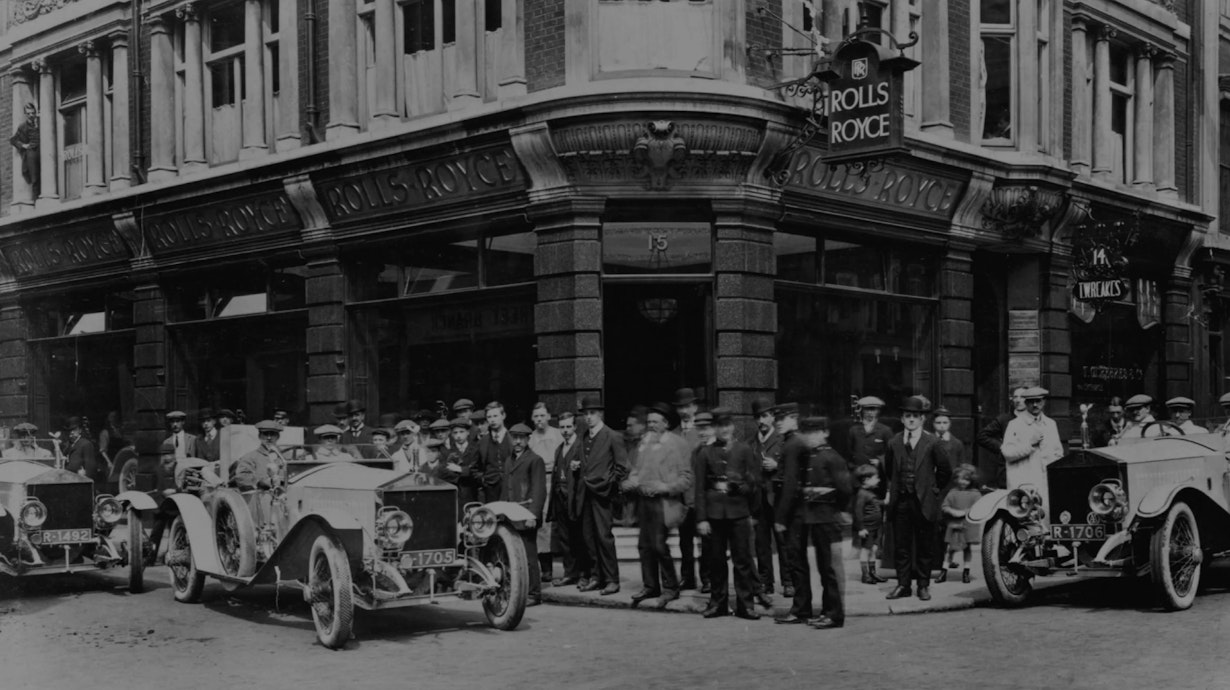
Mayfair, of course

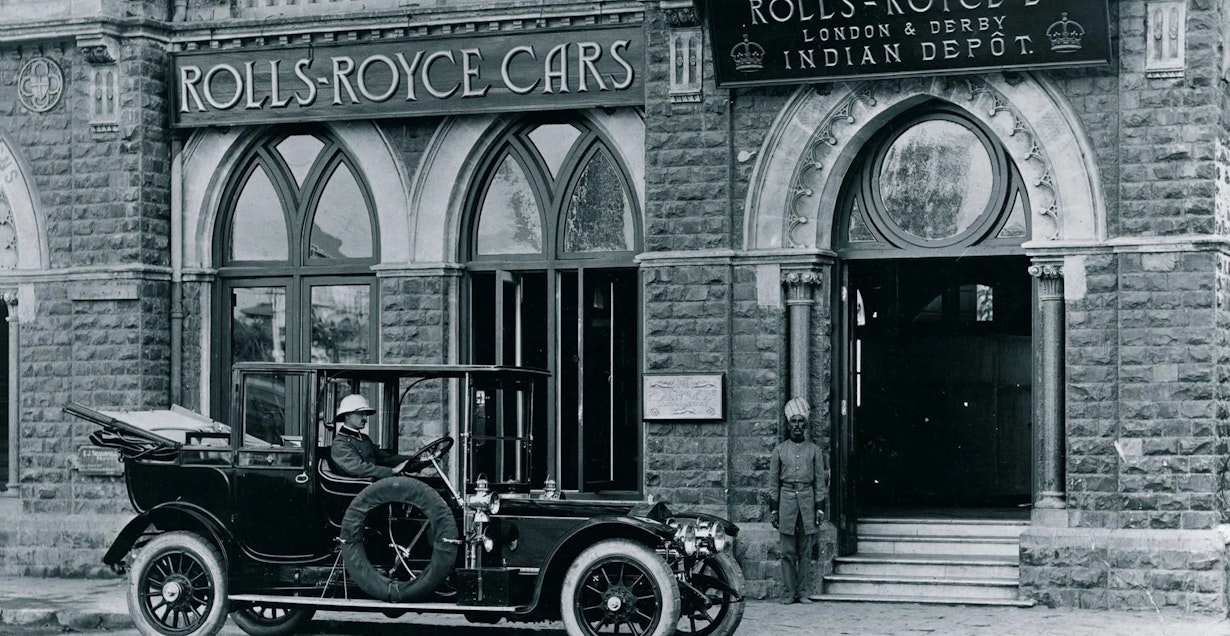
The brand enjoyed mystical status amongst Maharajahs and Maharishis

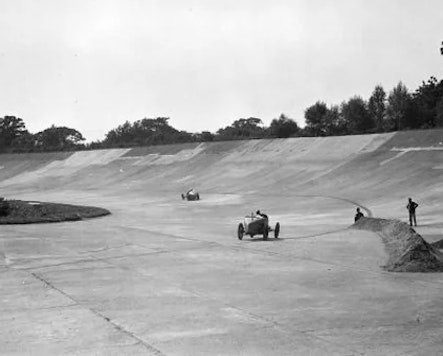
No hiding place. The track at Brooklands.
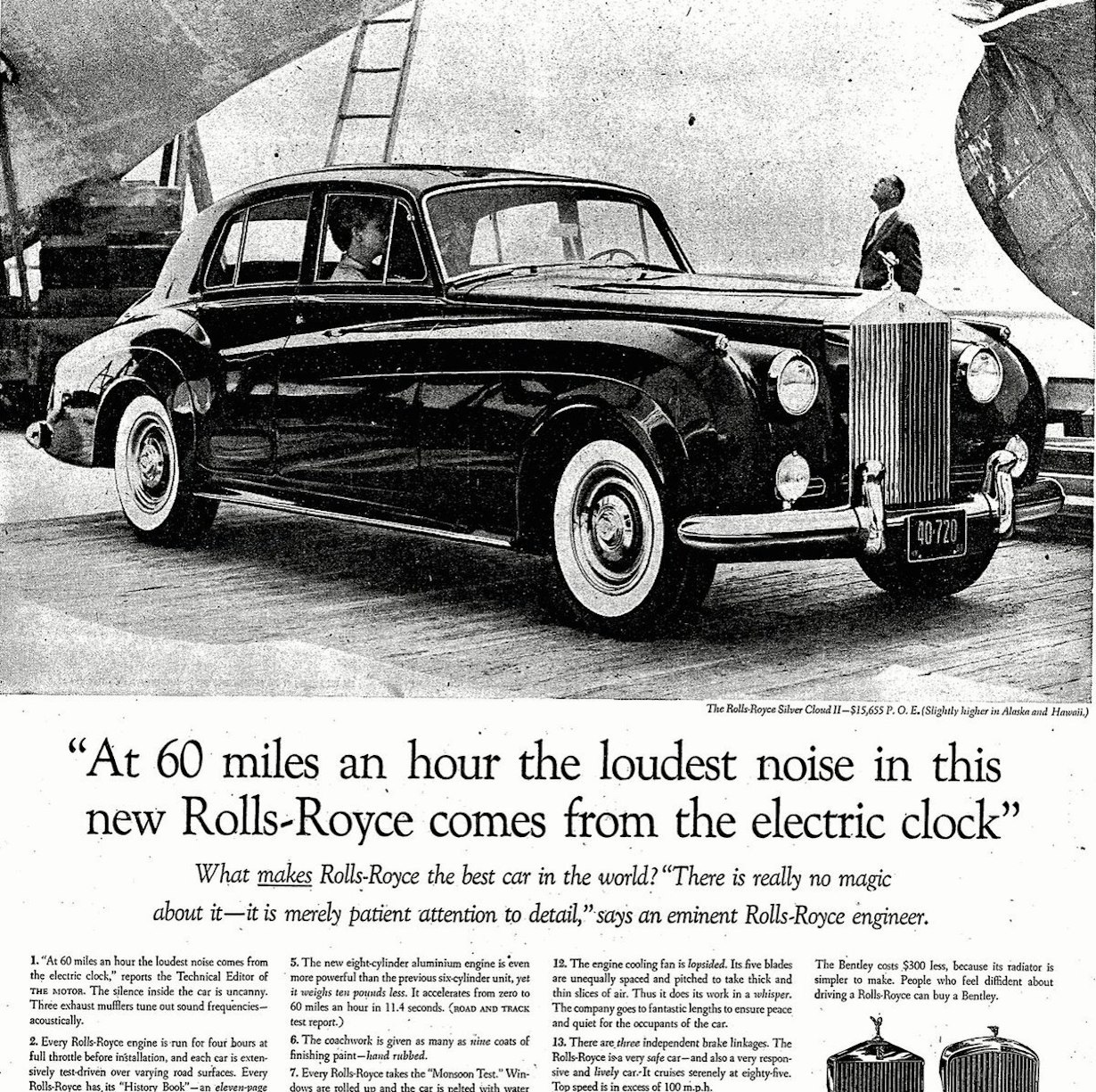
Silence is golden

"Find perfection. Then improve on it."
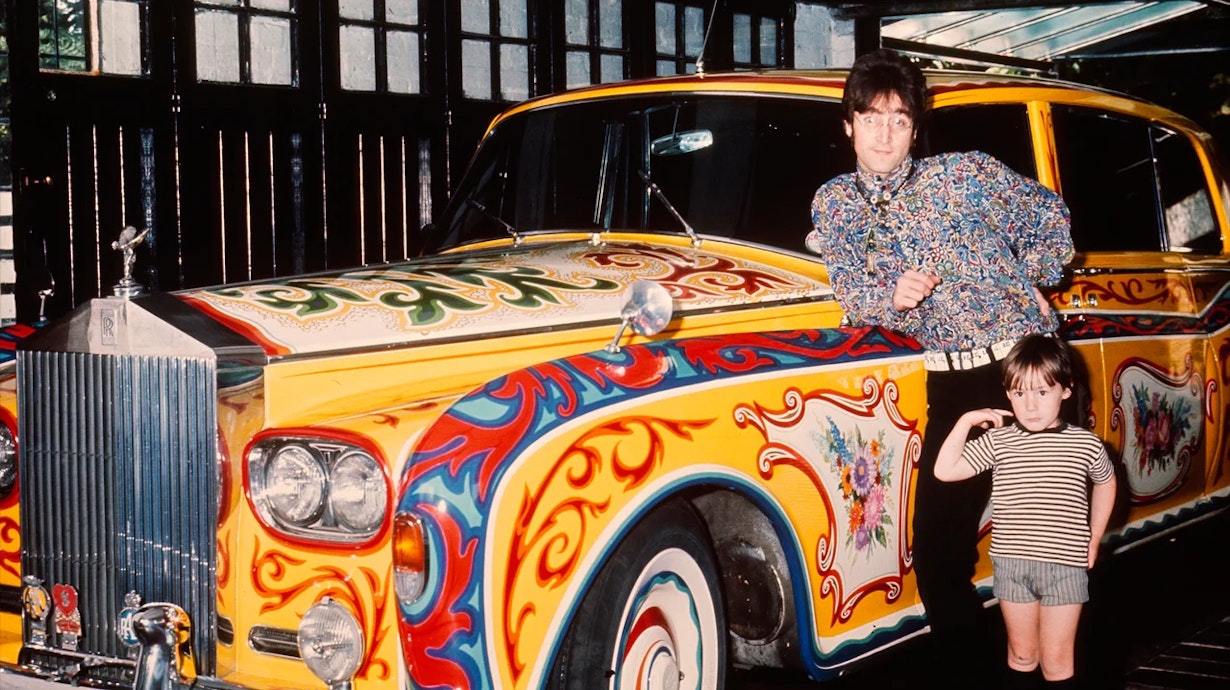
Baby, you can drive my car
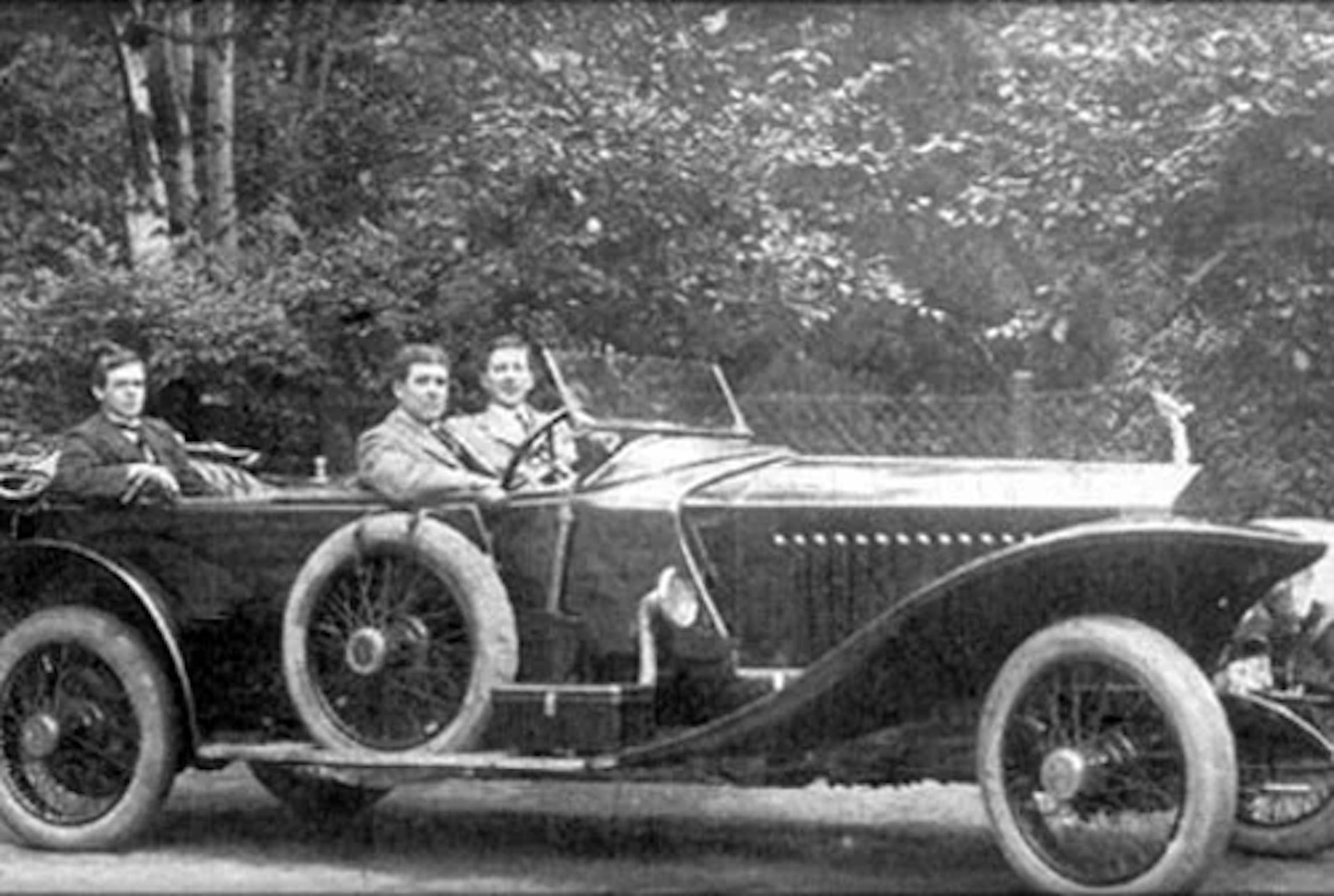
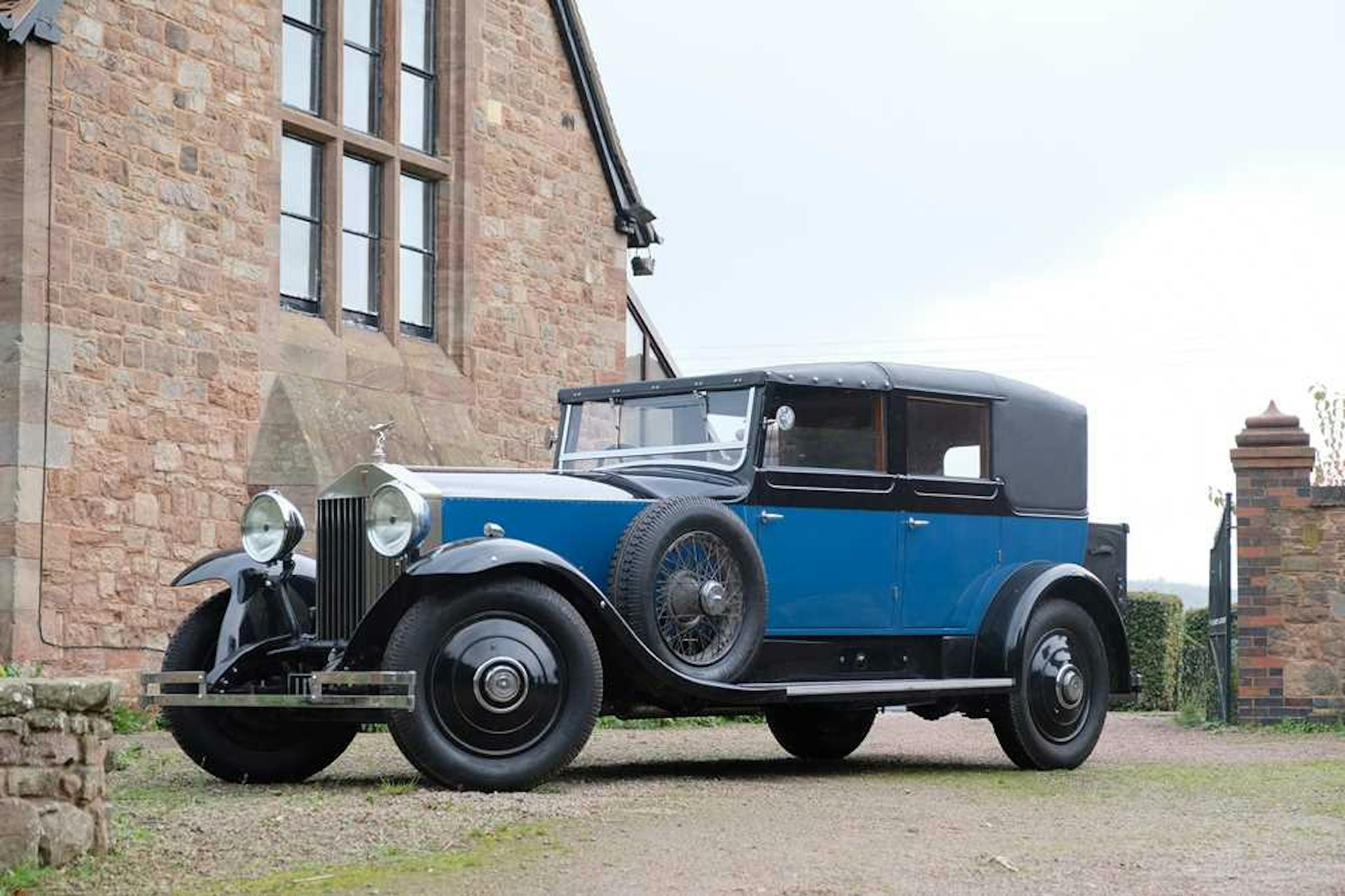
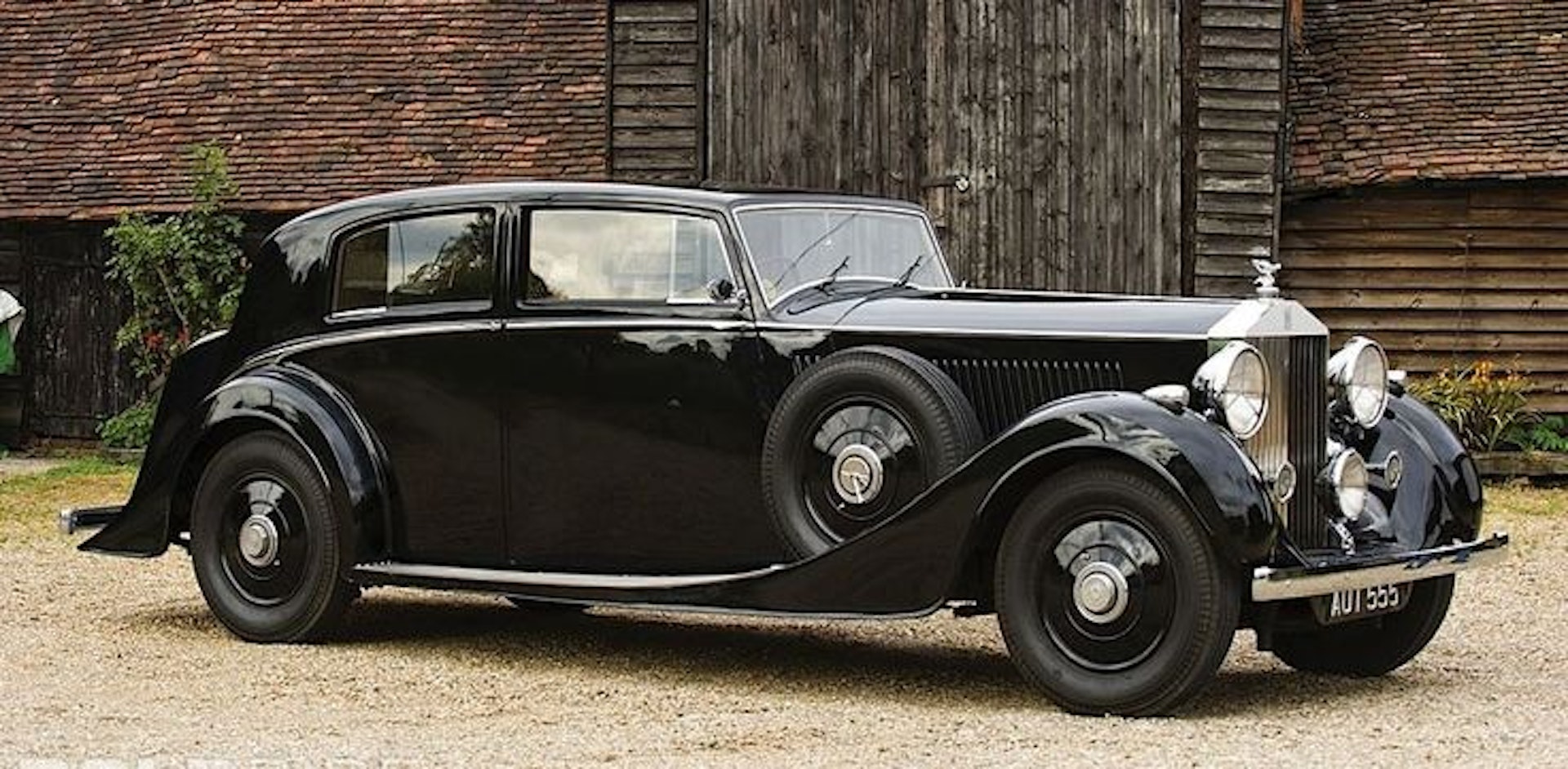
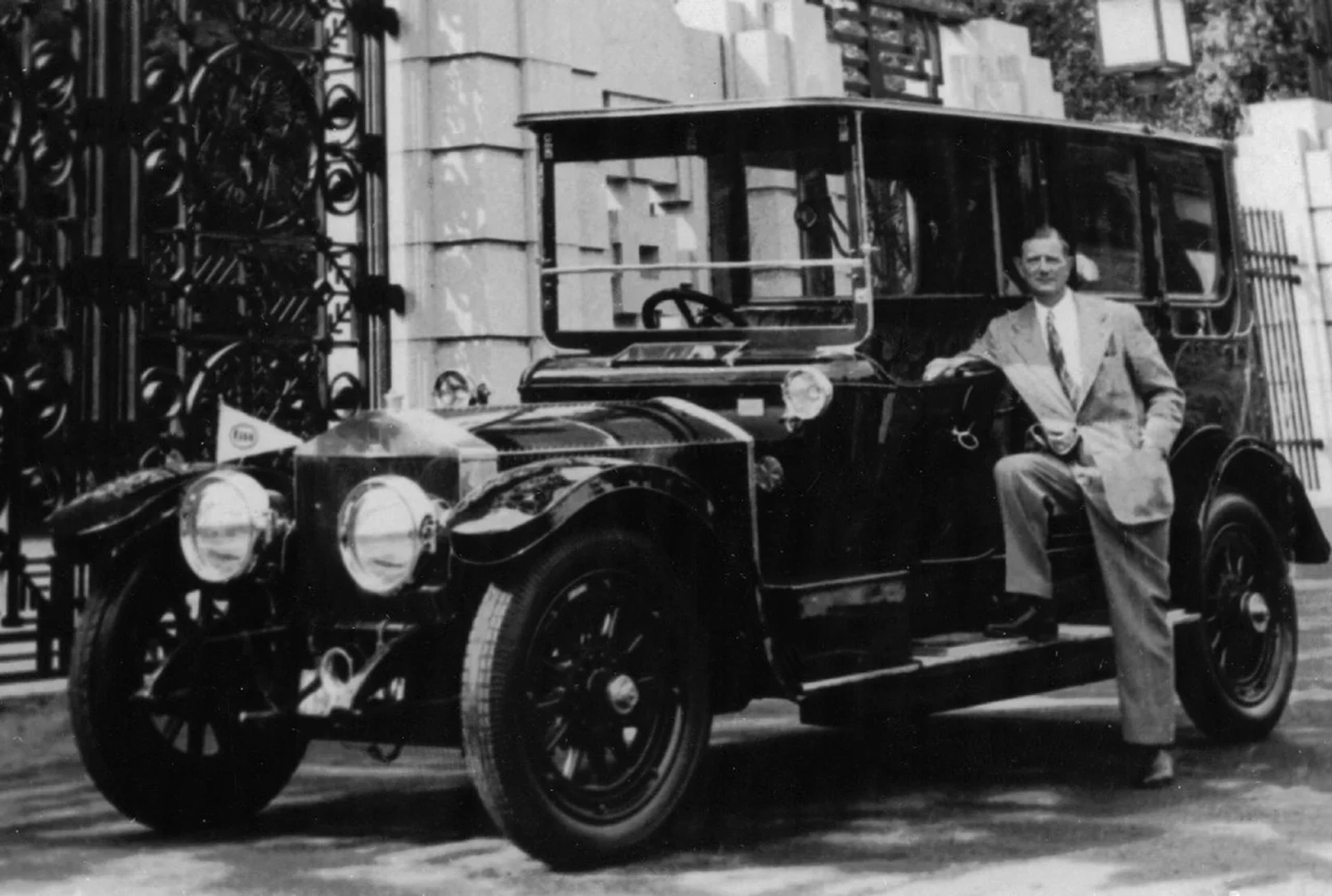
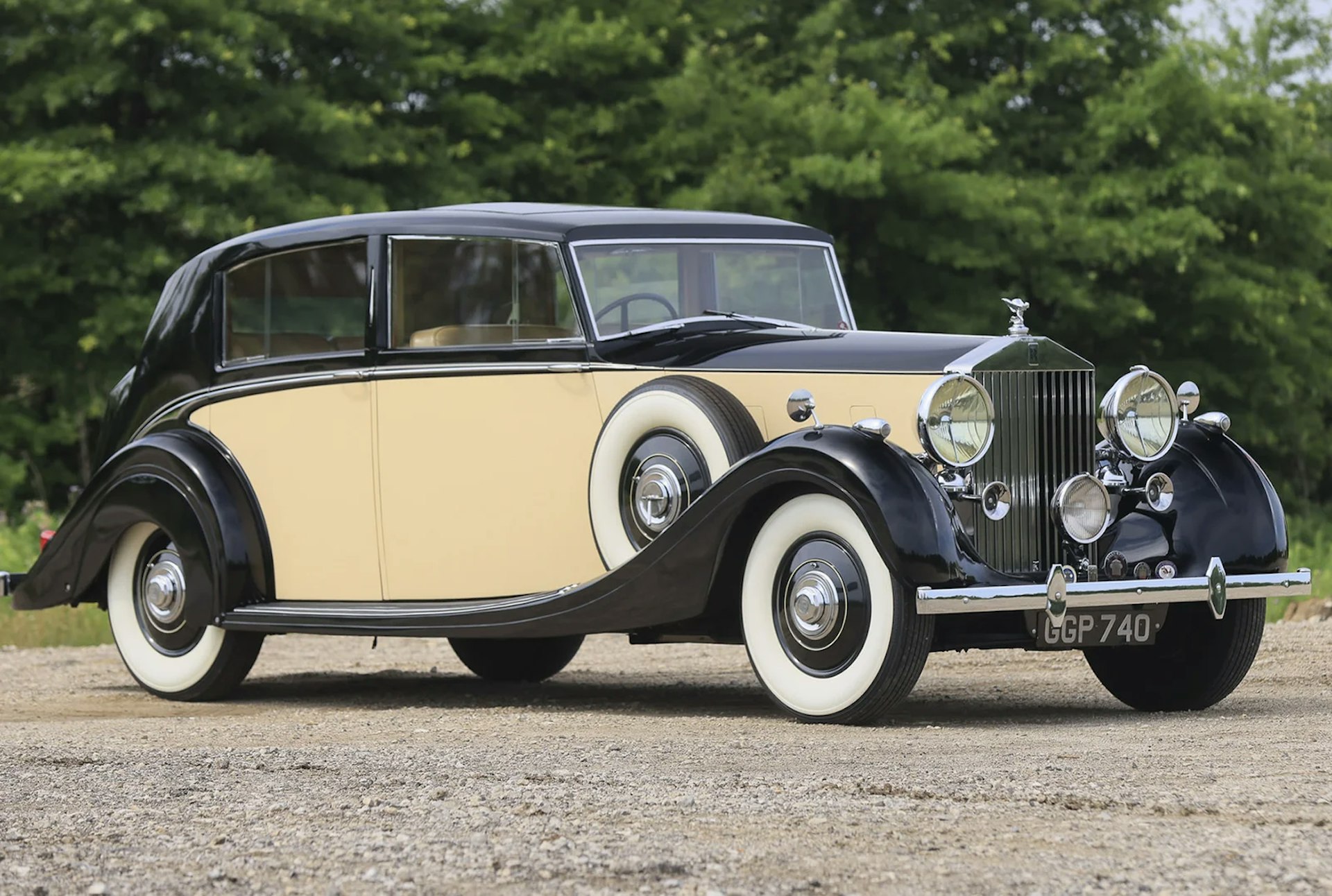
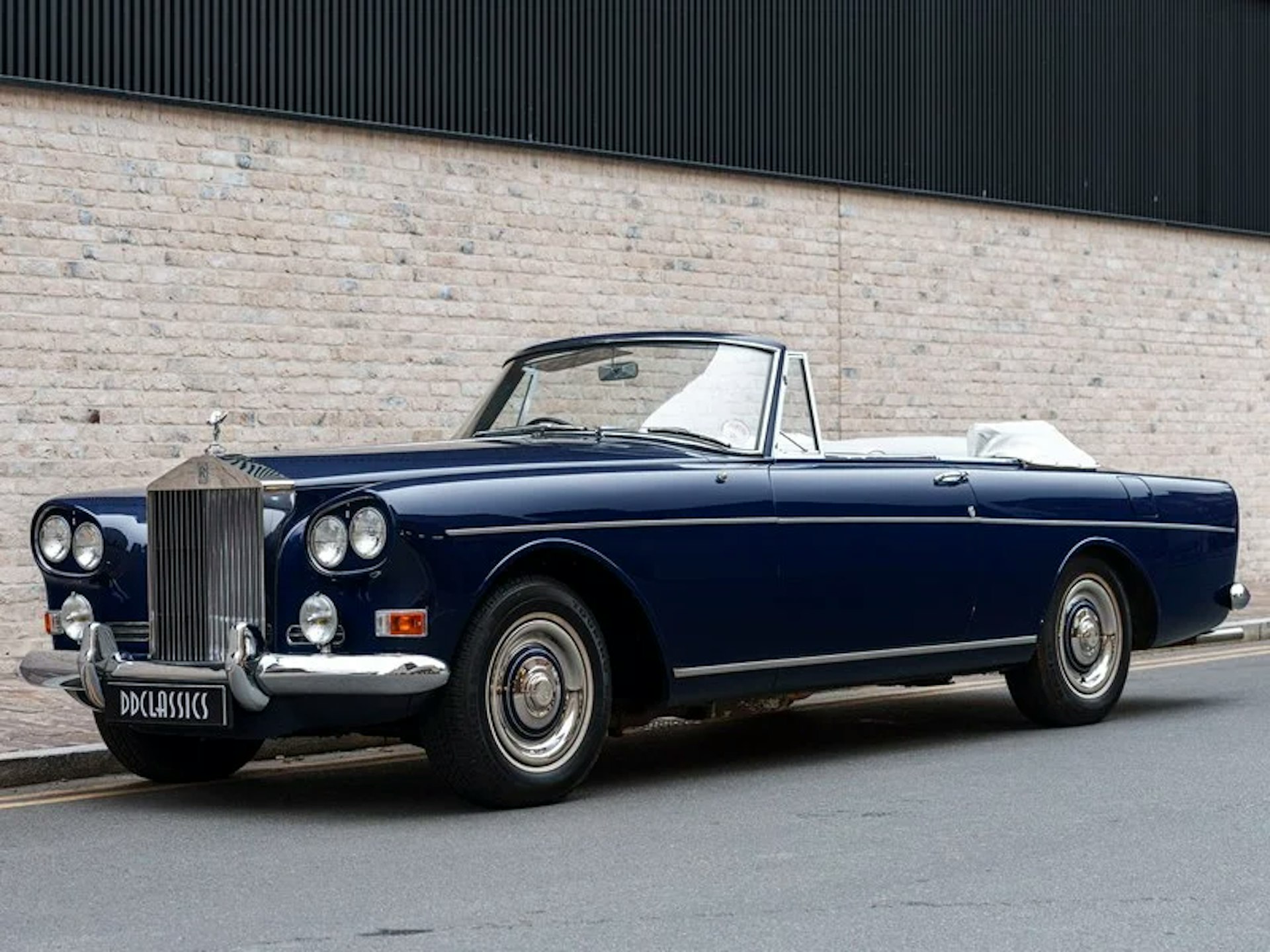
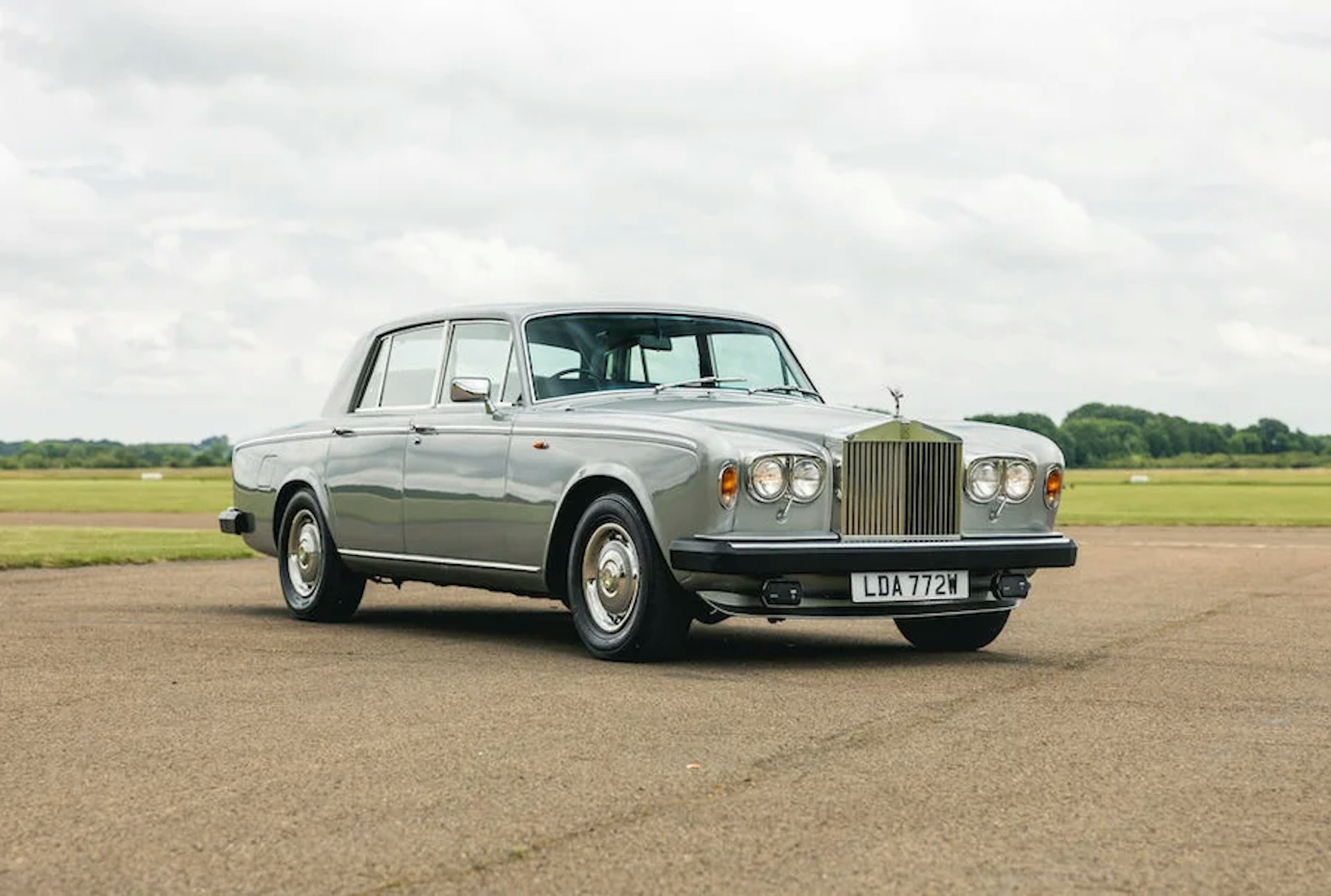
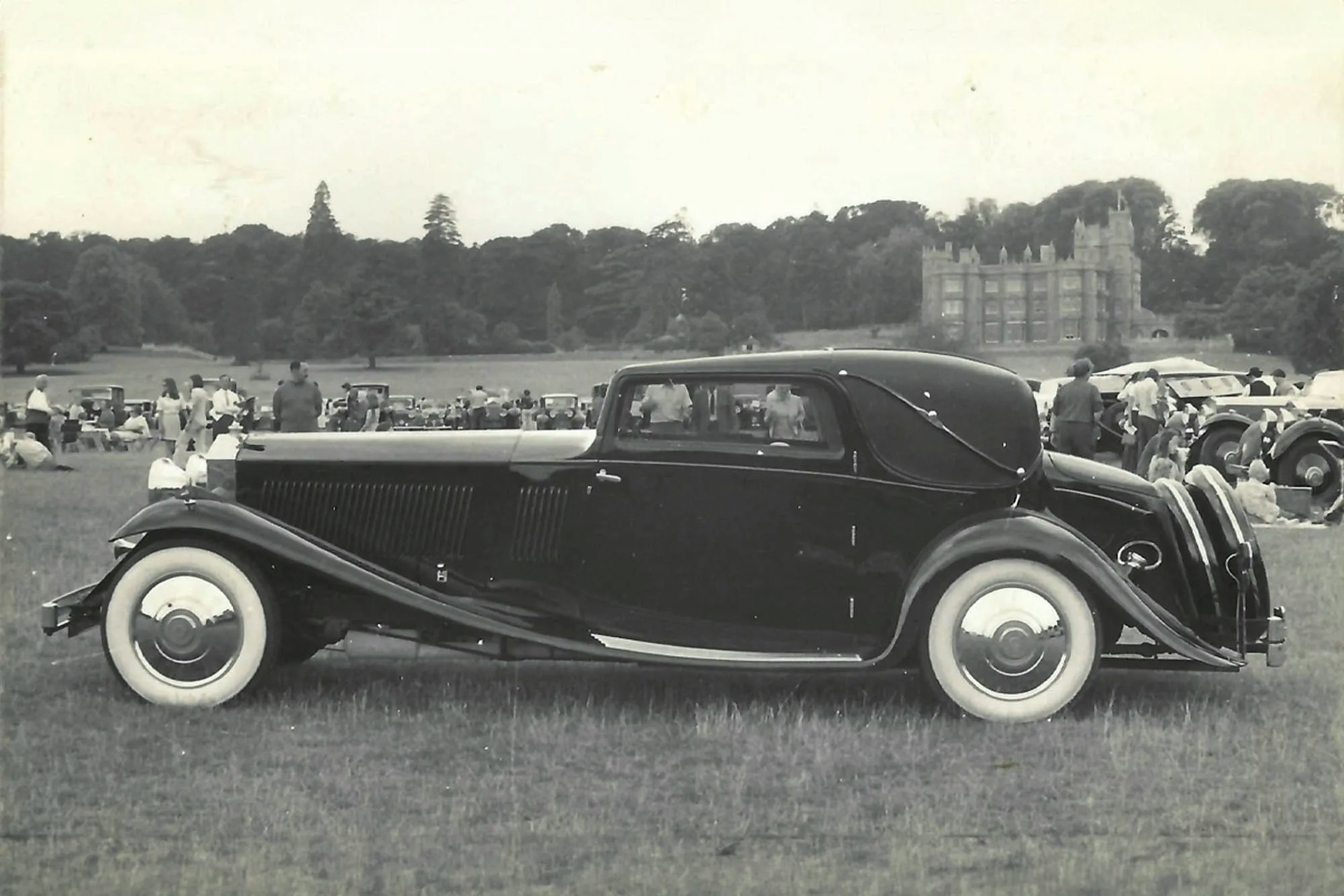
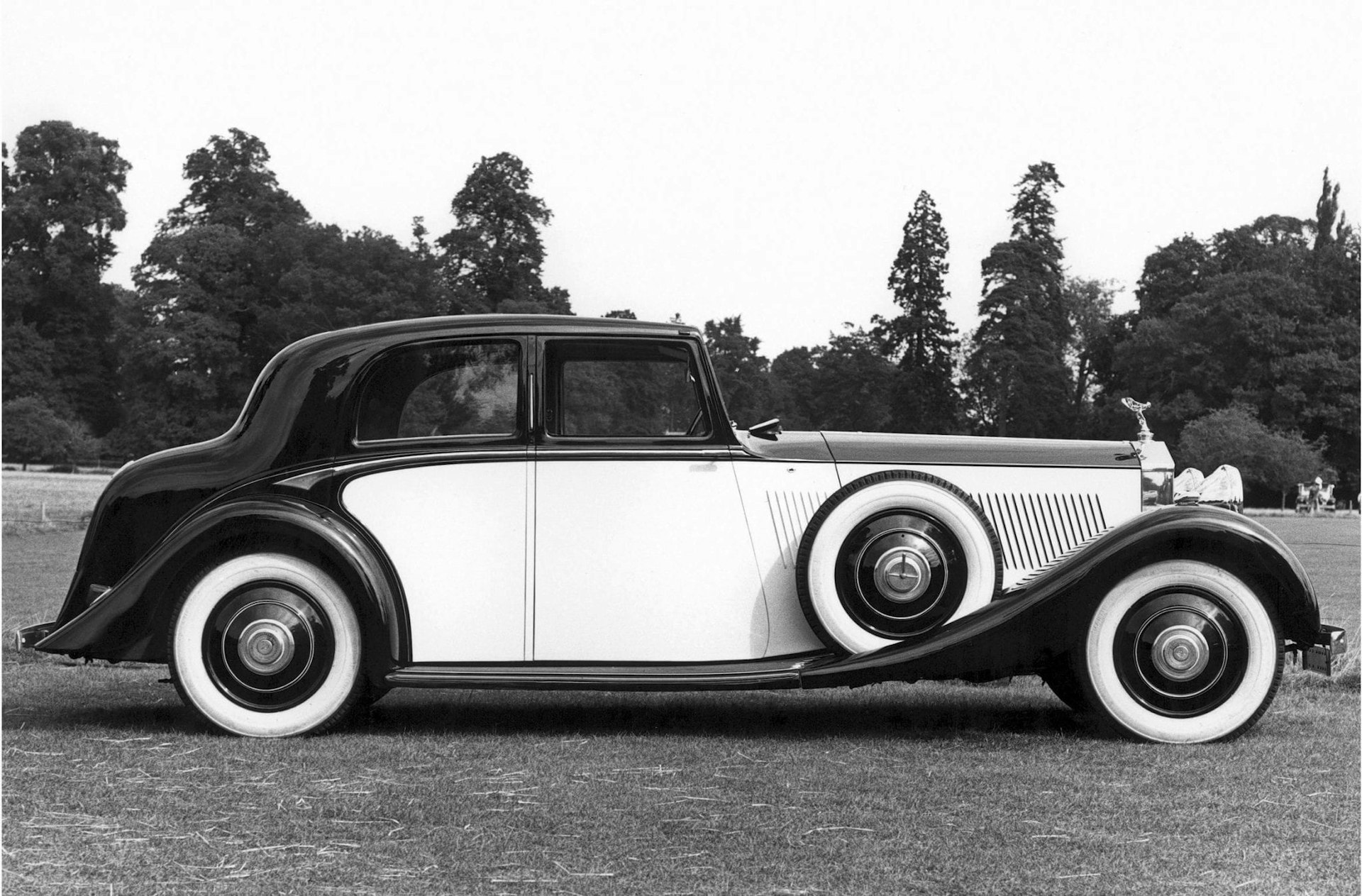
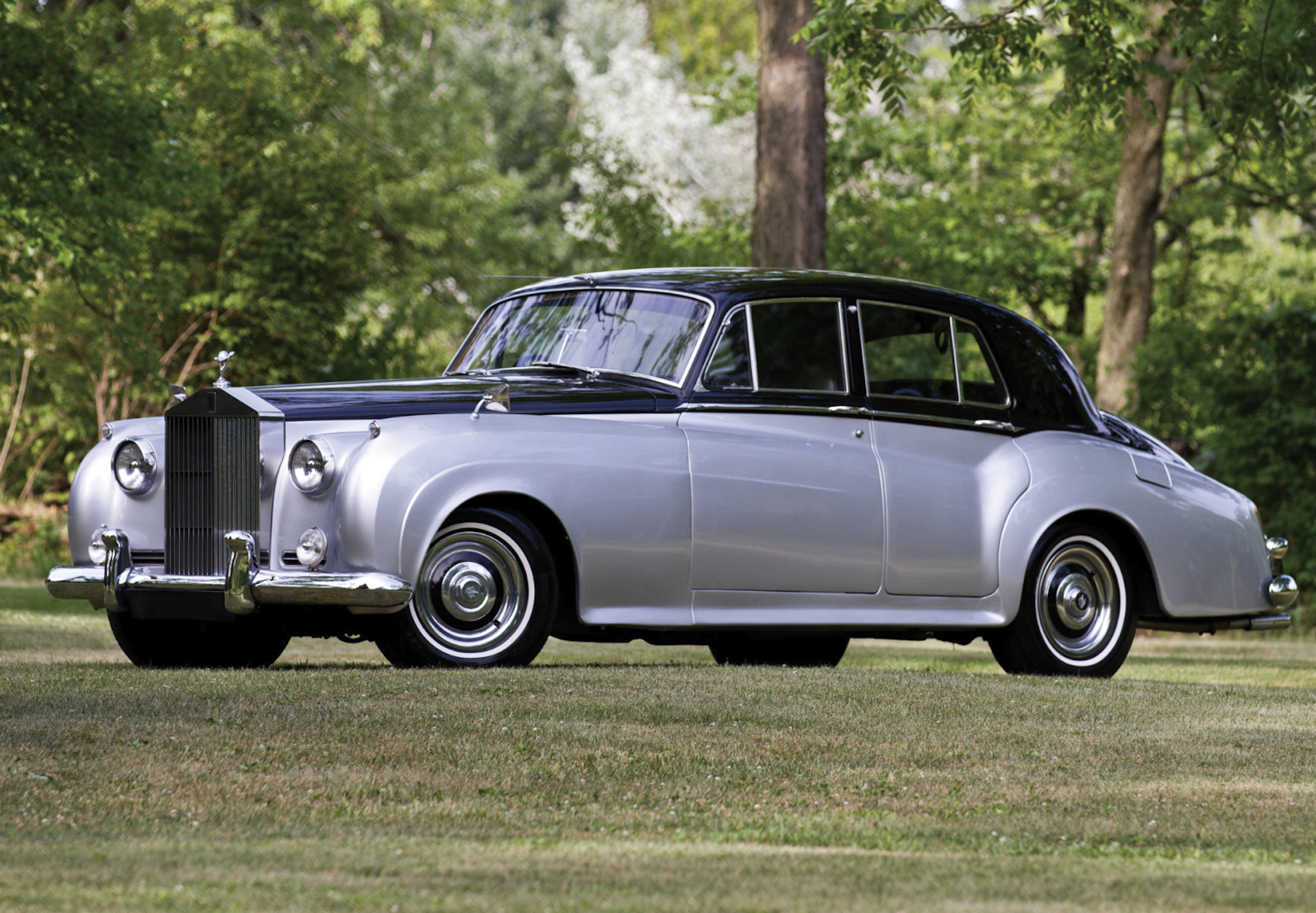
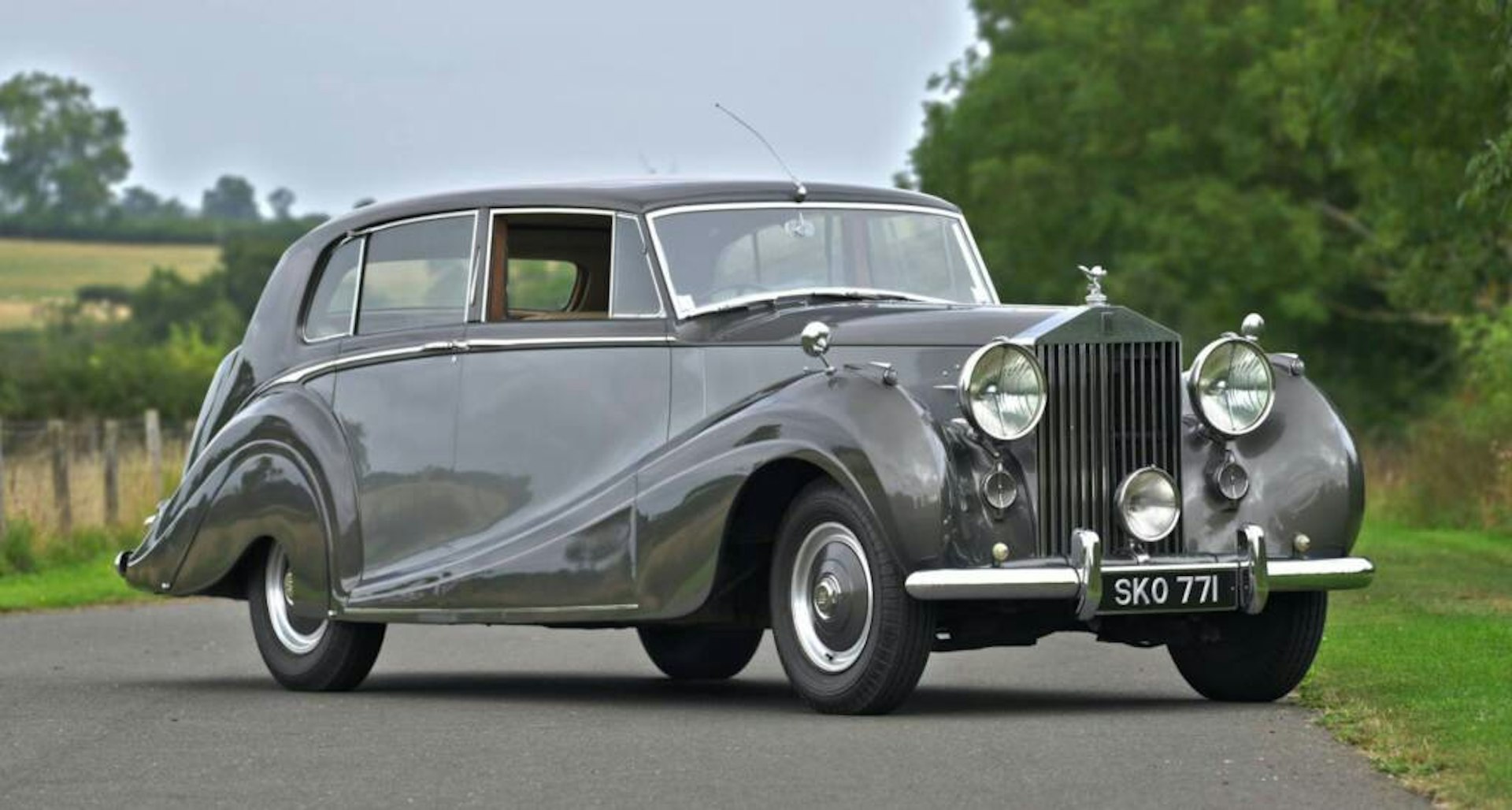
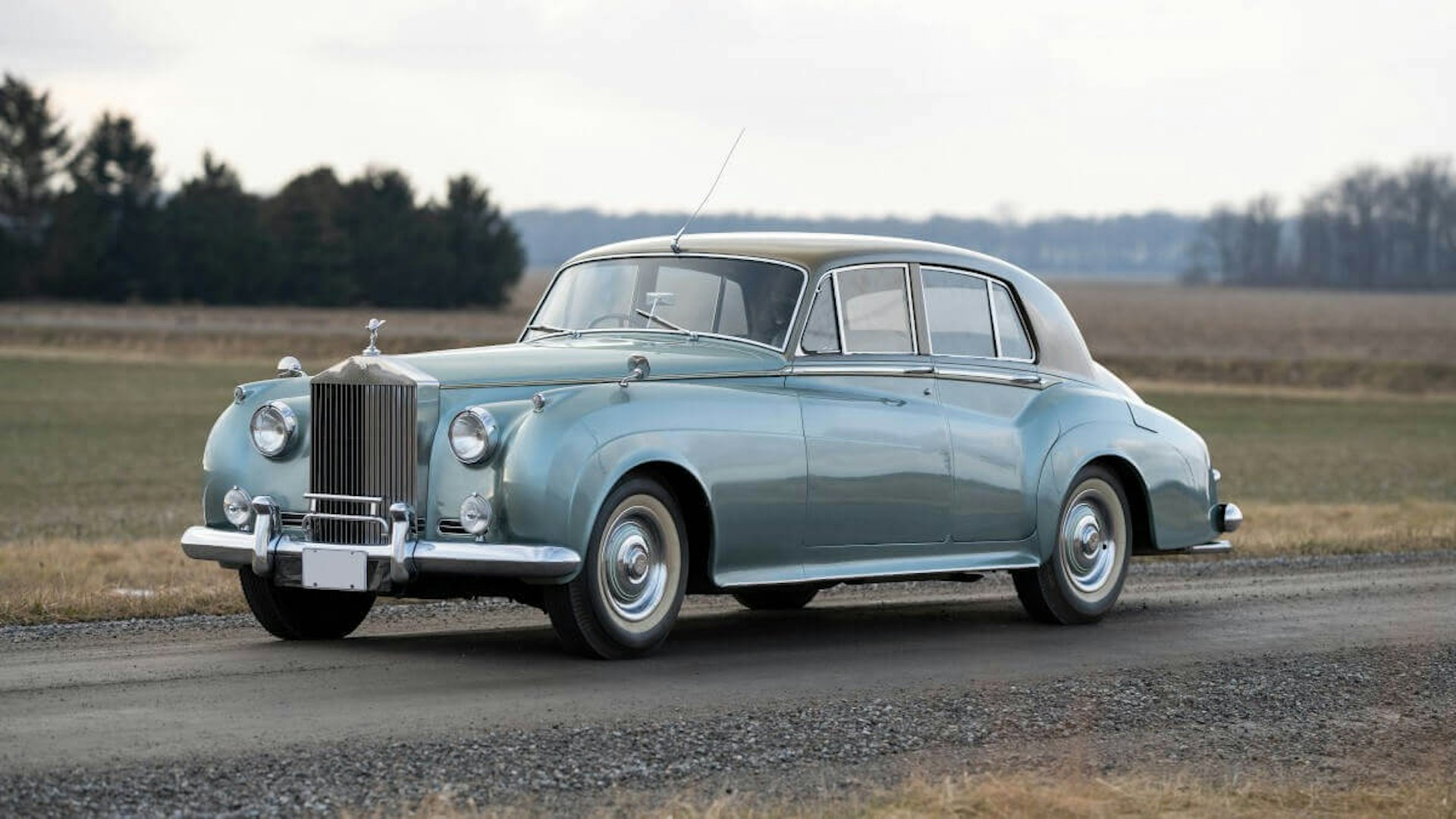
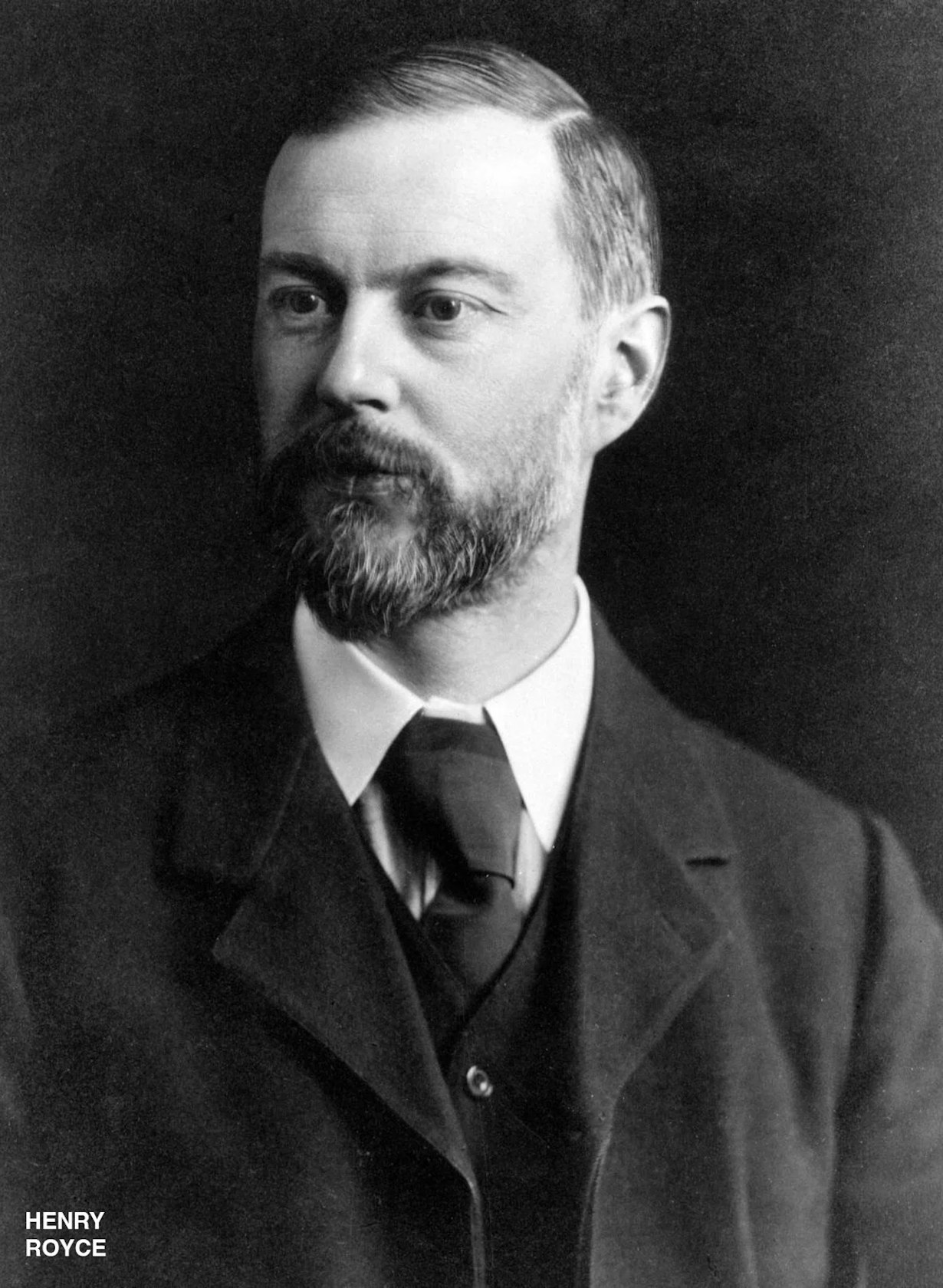
When the British government belatedly realised that they needed aircraft that could match those being produced in Germany, Royce was the first choice to design the engines. These flying engines would have to be the most reliable ever made. And nobody did reliable better than Royce.
Royce had no interest in flying. Although he went on to design the most famous aero engine in the world, he never flew in an aircraft.
But he made history with the Merlin.
The Merlin engine became famous in the Spitfire. It was a complete masterpiece. Designed to be easy to manufacture and assemble, it could be mass produced: more than 200,000 were built in less than five years. As Terence Conran famously said, "If you can't tell me how to make it, then you can't say you've designed it." Henry Royce knew how to make it.
The Merlin became famous in Spitfires, but it also powered Hurricanes, Mosquitoes, and the legendary Lancaster and Wellington bombers. Perhaps most impressive of all, the Americans chose Merlins for their Mustang fighters. A Senator who wondered why the engines weren't American was smacked down with a two line telegram: "Our boys are putting their lives on the line. They deserve the best."
But designing Spitfire was a race against time. Henry Royce was partnered with the great Reginald Mitchell. Together they had won the Schneider Trophy in the most elegant race ever, a competition for single seater seaplanes. Now they were racing to re-arm Britain against the imminent threat from Germany. But they both faced greater enemies. Mitchell was told that his cancer had moved into the terminal stages and Royce knew that his fragile health was failing fast. Royce died in 1933, Mitchell in '37. They never saw their miracle fly.
All through the '30s, the team worked flat out to build the radical new fighter. Early one morning they were finishing an all-night session in the library of Sir Robert McLean, Chairman of Vickers. His daughter, famously a blithe spirit, came sauntering in after an all-night party. Still in her ball gown, with her shoes in one hand, she admired the drawings on the table.
"Wow. That is a beautiful 'plane. What's it called?"
"K5054"
She laughed at the serious grey men.
"That's not a name! Why don't you call it what my friends call me..."
Then, over her shoulder as she ran up the stairs,
"Spitfire."
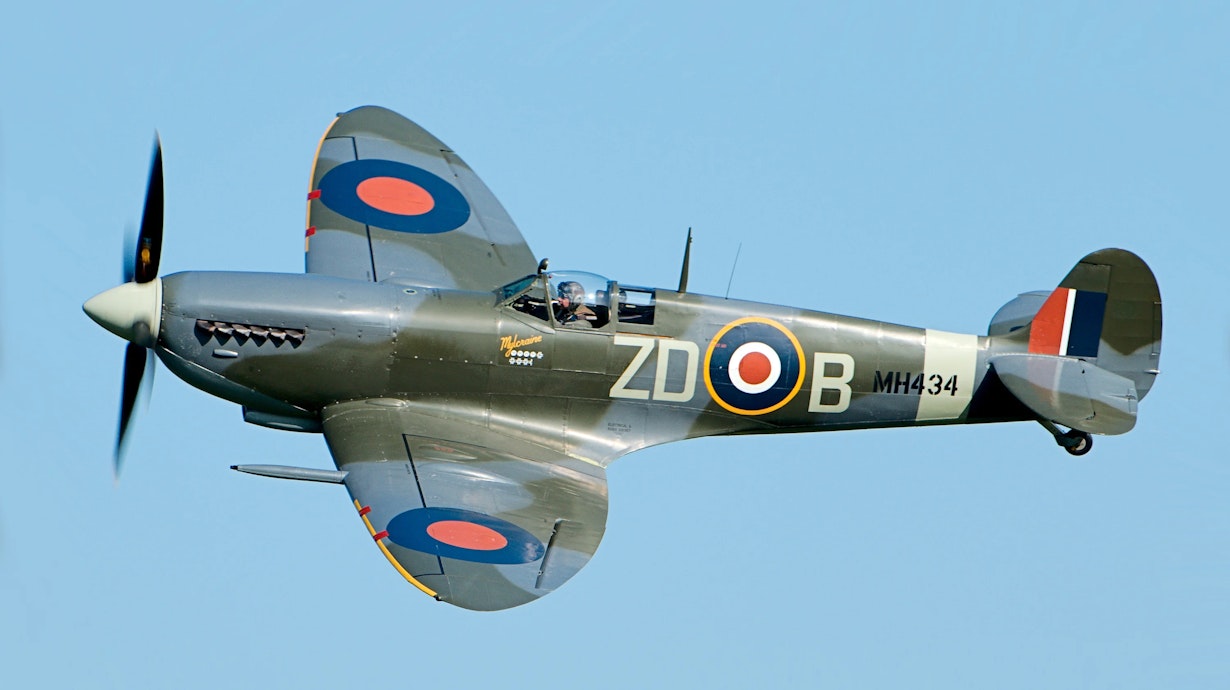
People in Kent recognised the roar of a Merlin engine. When they heard it they would wave to the sky.

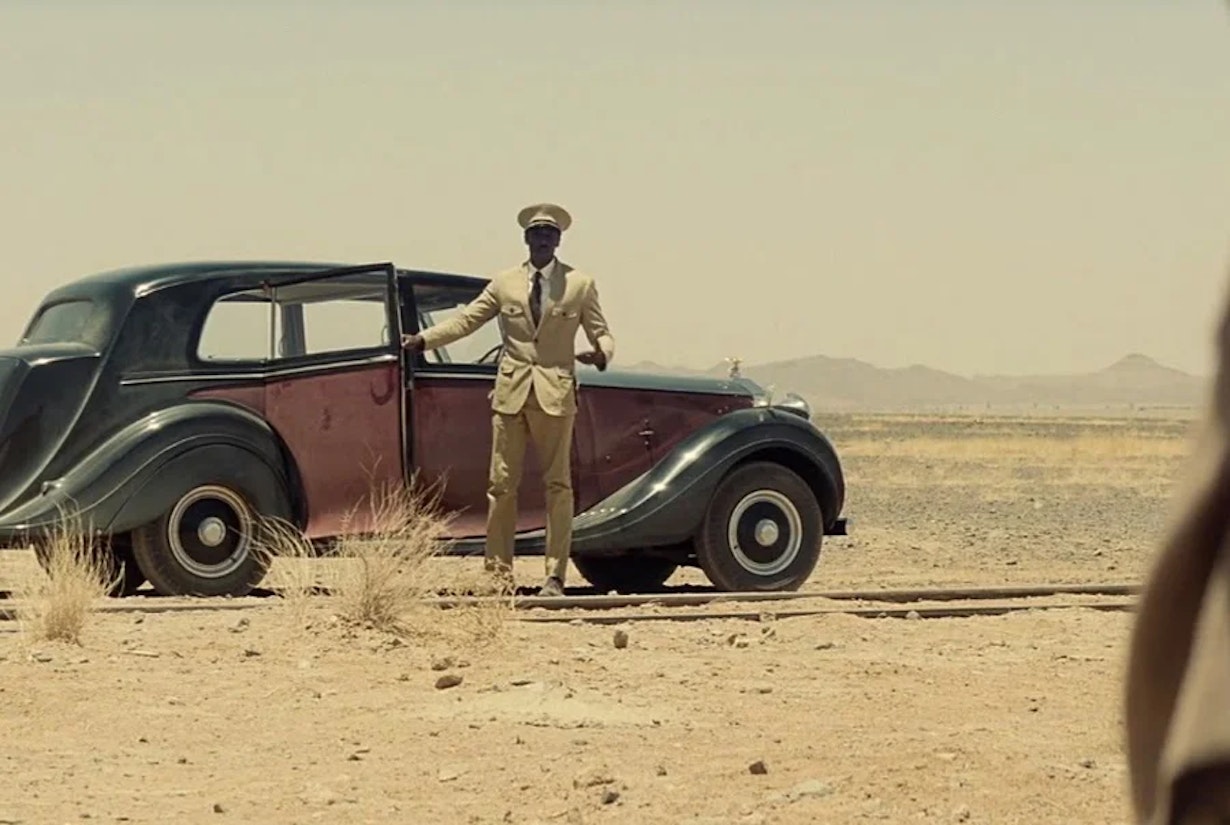
Special guest star in a dozen Bond films
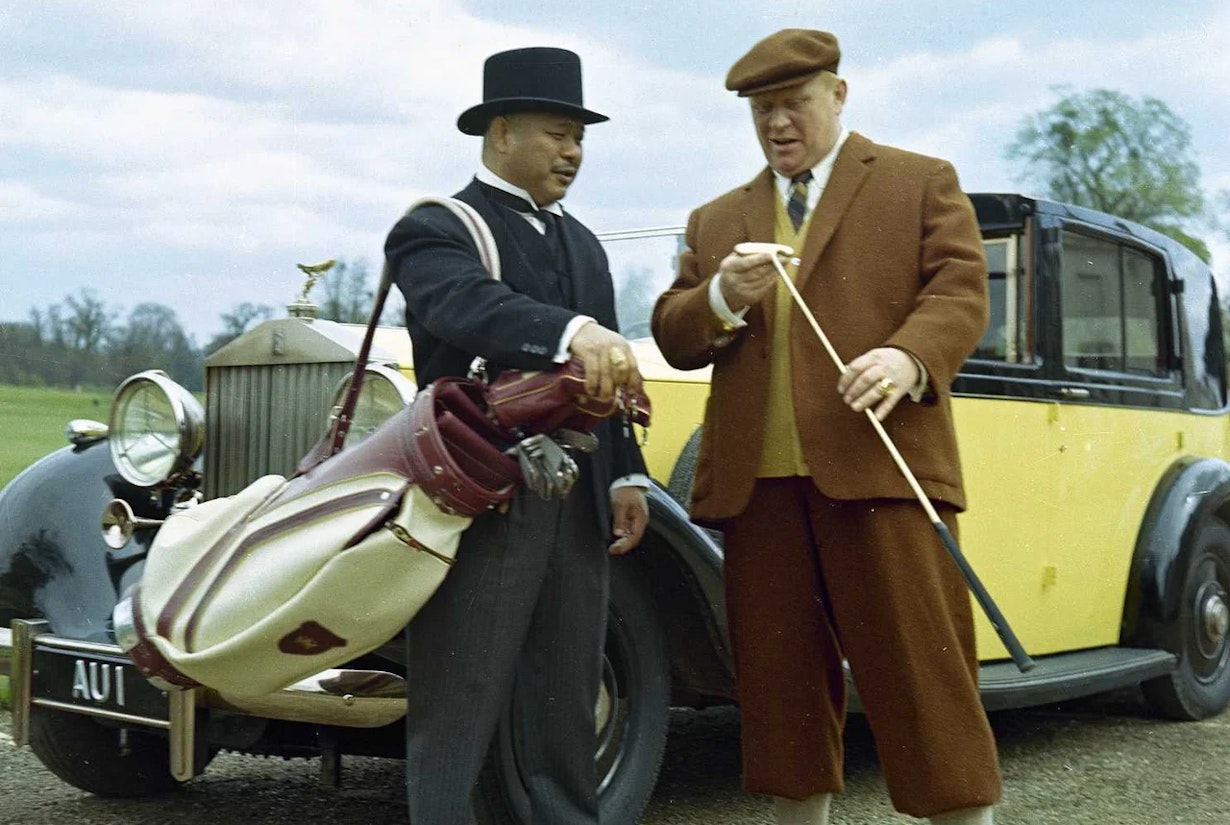
The man with the Midas touch had a Phantom
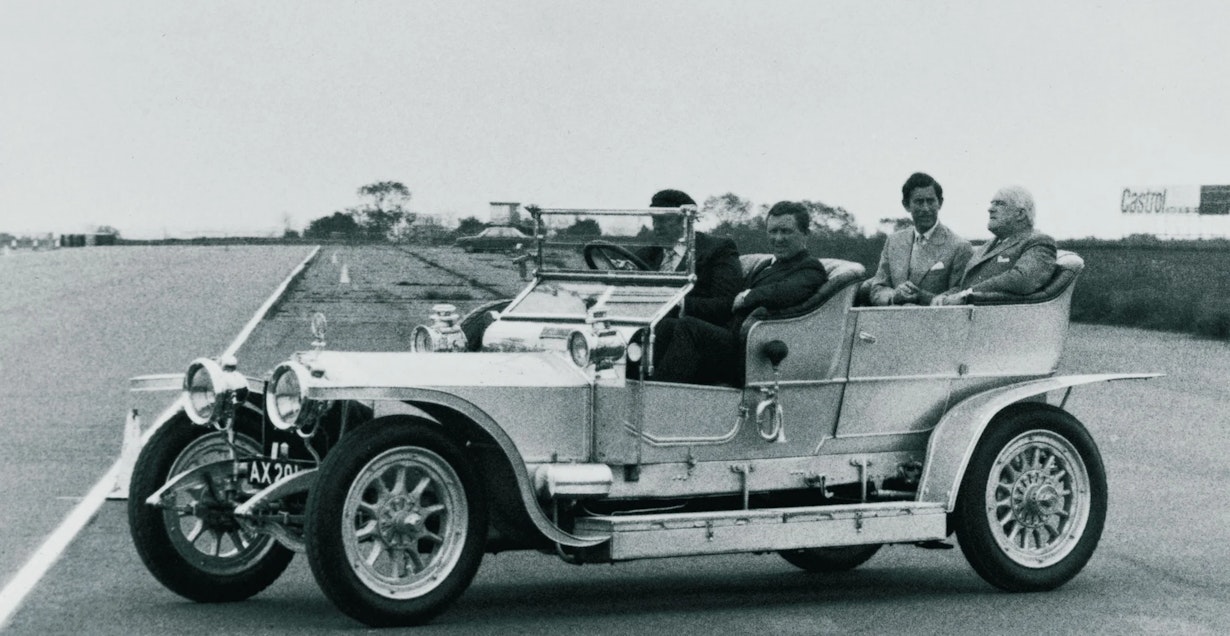
A car fit for a king

But few are quite as interesting as the odd couple who set it all in motion.
Charles Rolls and Henry Royce had almost nothing in common. They never worked in the same town and you could count on one hand the years of their partnership. But now, and forever, their names are inseparable. They have become one word.
And if a brand custodian, anywhere in the world, is looking for a word to describe uncompromising quality and unquestionable excellence, that is the word they will reach for.
And everyone, everywhere, will know exactly what it means.
Paul Cardwell, The Laughing Saboteur