
“Everything must change for everything to remain the same”
Guiseppe de Lampedusa, The Leopard
When she inherited one of the world’s most famous brands, Barbara Broccoli immediately faced the toughest decision that any brand custodian can come up against. The brand was working well and everyone could see the way ahead. But her instinct told her it was time for a change.
Barbara Broccoli looked hard at her father’s product and knew that, while it might be what the audience wanted today, she couldn't be confident it would be what they would want tomorrow.
The product in question was, of course, Bond. James Bond.
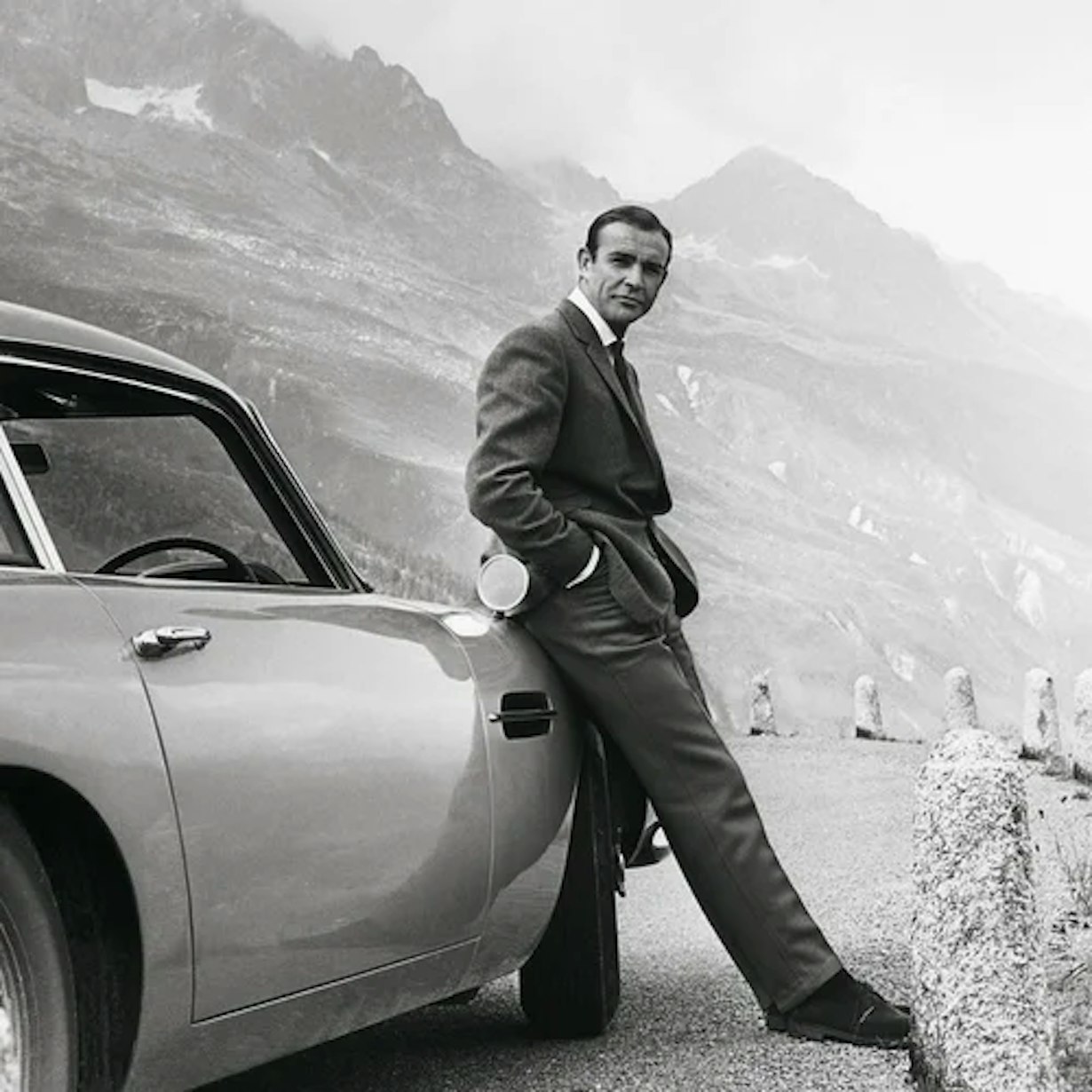
Sir Sean Connery with the Aston Martin DB5
Barbara inherited the Bond franchise as the twentieth film, the fourth with Pierce Brosnan as Bond, was being finished.
Everyone loved Brosnan. The crews loved his generous professionalism, the audiences loved his charm, the directors his realism and his ability to fine-tune a performance.
The fifth film was lined up and everyone knew what to expect.
That's what made her nervous. It was all too comfortable and was in danger of becoming bland. The competition was heating up. Hollywood had found a winning formula with the Mission Impossible series and they were in an arms race for stars and special effects.
Leadership from a position of success can be more stressful than leadership in a crisis. You don't just have to decide what to do, first you have to decide if you need to do anything at all.

Broccoli knew just where to look. Bond has history. And with a heritage brand, the answer to the future will always lie in the past.
Her father had always said “When in doubt, go back to the books”. The Fleming originals. The ones he had fallen in love with all these years ago.
Seen through the lens of these originals, the productions they had in the pipeline were playing safe. Something was missing. Everything was slightly too polished. There were no hard edges. No grit, no pearl.
When we talk about Bond as a brand, we're really talking about the films.
Of course there are the books. But everything pales compared to the scale of the films. This is the longest running and most successful film franchise in the world and it’s hard to see how it will ever be equalled. Dr No was released on October 6th, 1962, the very same week that The Beatles released their first single.
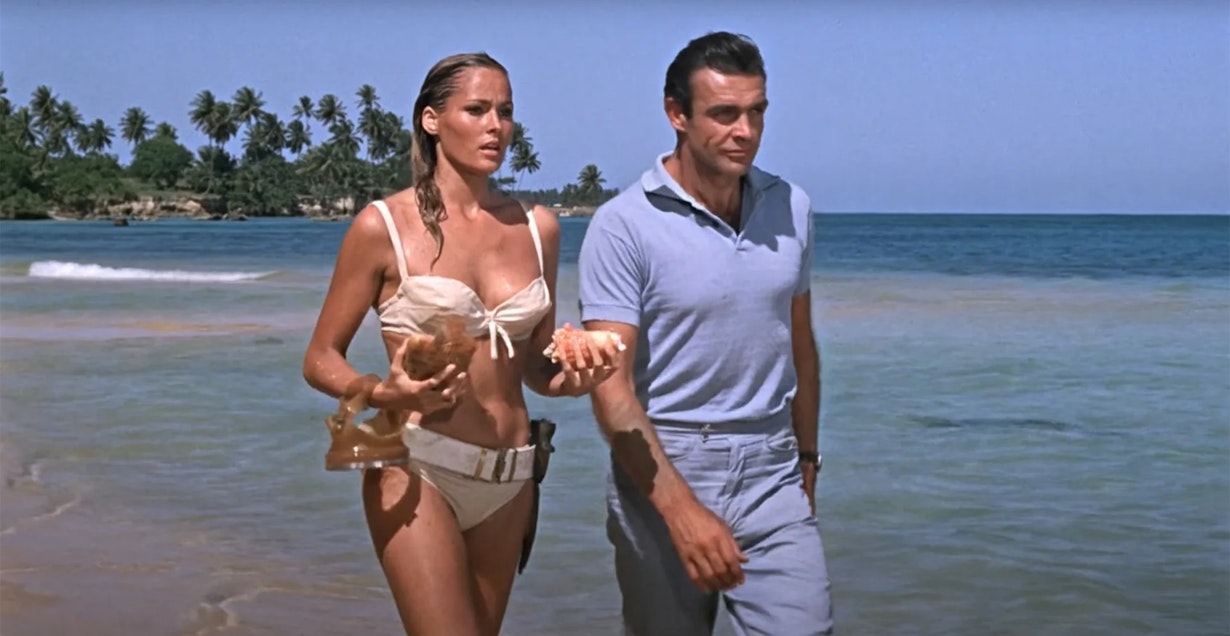
Sean Connery and Ursula Andress in Dr. No

That’s important, because for the next decade Britain dominated popular culture. Overnight, London went from stuffy to cool, British fashion challenged Paris and Milan, and the James Bond films became the most famous series in the world.
How? What was it about this hero, of all people, that captured the world’s imagination?
Bond is the best of British. Here, in the UK, we might find it hard to know precisely what that is, but internationally people understand exactly what we stand for - quality and class.
An English gentleman is the real deal. His suits will be made in Savile Row. His car will be handmade in Britain. His shotgun will be from Purdey and he will know how to use it, on the moors or in the fens. His natural habitat runs from the clubs of Saint James's to the mountains and glens that embrace Balmoral.
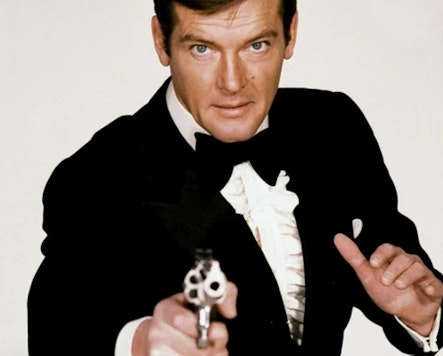
Roger Moore as 007
Bond is an English stereotype. Which is ironic because the character actually has Scottish ancestry, which Ian Fleming retrofitted in the twelfth book - You Only Live Twice - after being impressed by Sean Connery’s performance. It was an easy fit, Fleming had Scottish heritage himself and Bond was so much an extension of his own personality that this narrative seemed perfectly natural.
The character is the opposite to American cultural heroes. They are the underdog, the maverick who breaks all the rules – think Dirty Harry, Top Gun or any Bruce Willis character. They are blue collar. Ordinary guys who step up and do extraordinary things.
Bond is not that. He is an Establishment figure. Everything he does is about protecting Our Way of Doing Things.
But that's a philosophical point of view. Films are not philosophy. Films are smarter than that. Films are entertainment.
And the producers of the Bond films, Albert ‘Cubby’ Broccoli and Harry Saltzman, knew that better than anyone. Saltzman, as he never stopped reminding anyone who would listen, was a showman from a circus background.
What's really astonishing looking all the way back to 1962 is what an incredible job the producers did on the very first James Bond film. They got everything right. And they got it so right that lots of the things they did then are still signature ingredients of every film 60 years later.
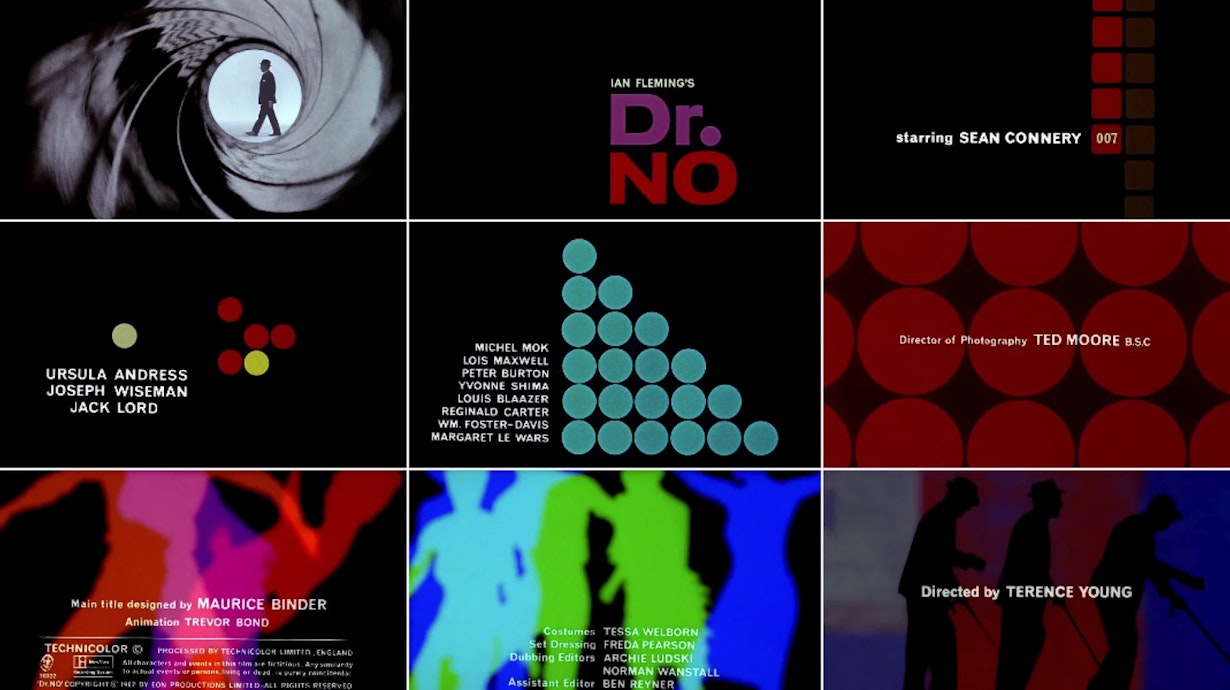
Maurice Binder's opening titles for Dr. No
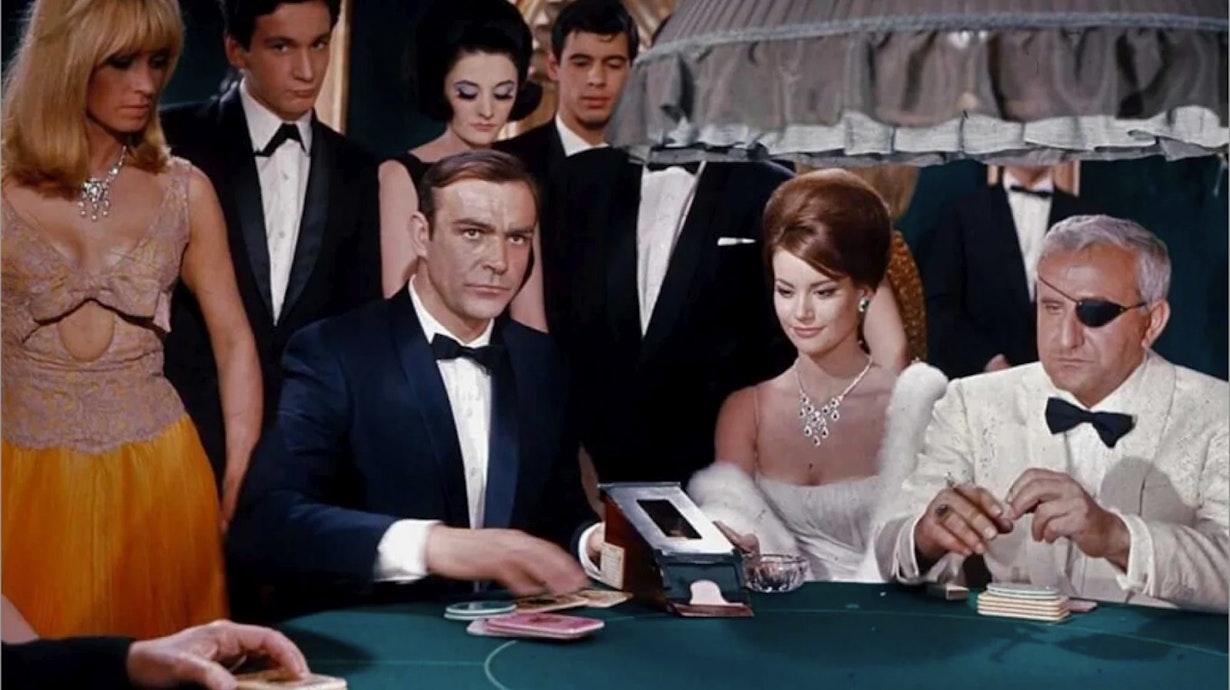
Bond at the Casino Royale
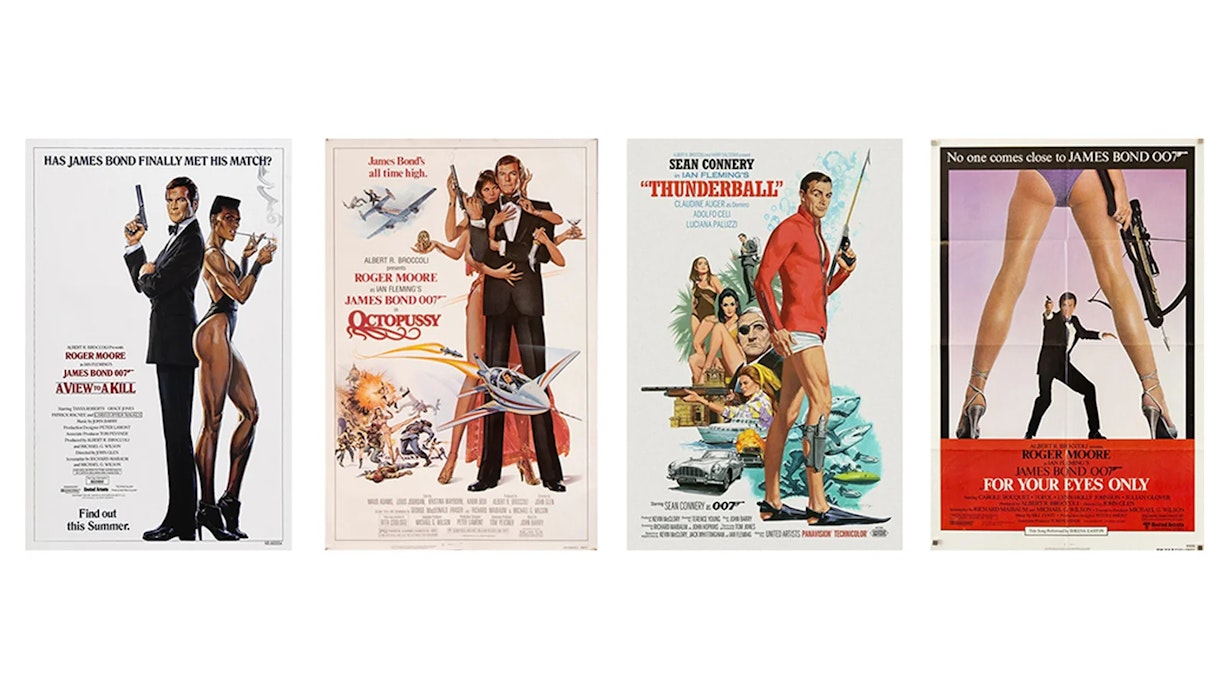

The drawing and the set of the docking bay from The Spy Who Loved Me
Design
Ken Adam arrived in Britain as a Jewish refugee and became one of only three German born pilots in the RAF. He gave the Bond films an ultra-cool Modernist look that was completely unlike anything else on screen at that time. The early Bond films are now recognised to be landmarks in cinematic art direction. Masterpieces. Years later Sir Kenneth was asked if that was a brave decision. “When I was 23, I was dropping a fighter at 600 miles an hour onto German tanks. That was a brave decision.”
Saltzman and Broccoli had assembled an extraordinary crew. Fleming had set out to write the spy story to end all spy stories and they now wanted to make the film to end all films. And history has shown they came as close as anyone ever could.
But that was just the start. For the next half century Bond evolved in line with the changes that were happening in the world outside.
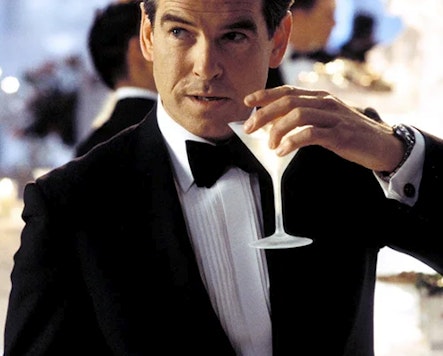
Pierce Brosnan as 007
Bond and brands
One of the most startling innovations in the James Bond books is the number of brands that are name-checked. The cars he drives, the clothes he wears, the guns he uses, the drinks he drinks and the cigarettes that he devours by the lungful are all meticulously named and described.
In just one book, On Her Majesty’s Secret Service, he staggers through forty-six drinks, including Taittinger and Krug Champagnes, Pouilly Fuissé, Mouton Rothschild ’53, Calvados, various vodka martinis, Enzian Schnapps, Marsala, Jack Daniels, Franziskaner beer, a bottle of Riquewinr wine, Steinhager gin and half a pint of I.W.Harper bourbon. It’s all quality stuff, but a dry January might not be a bad idea.
Bond now drinks responsibly.
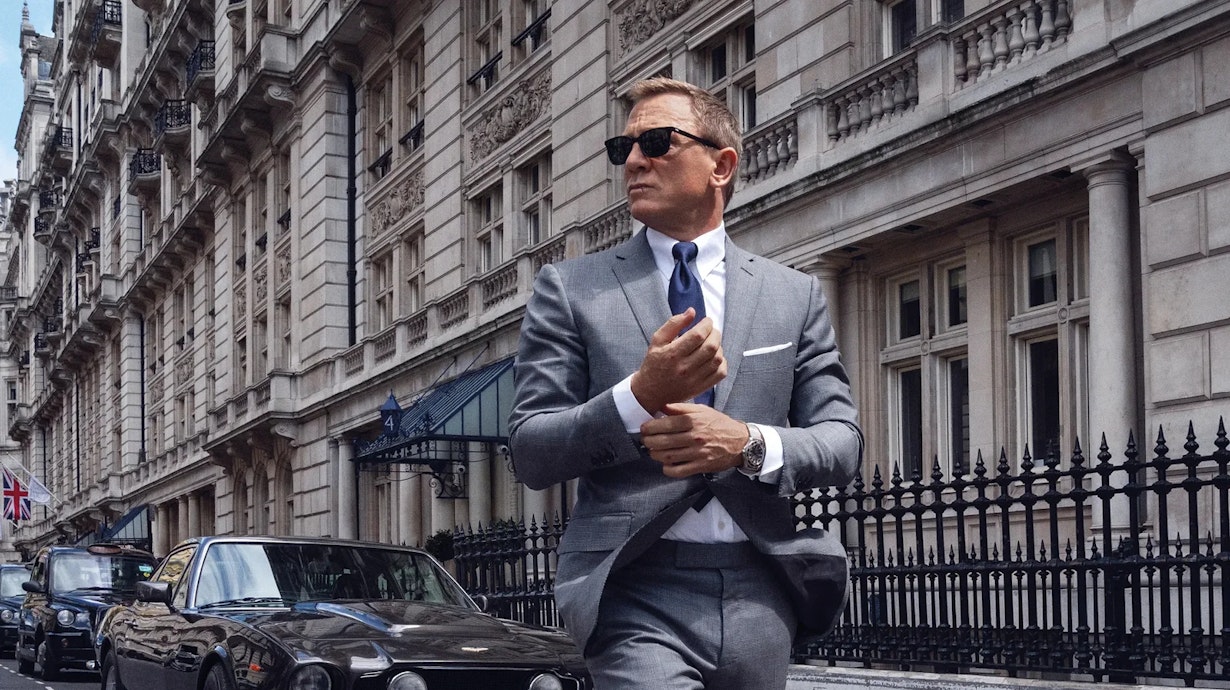
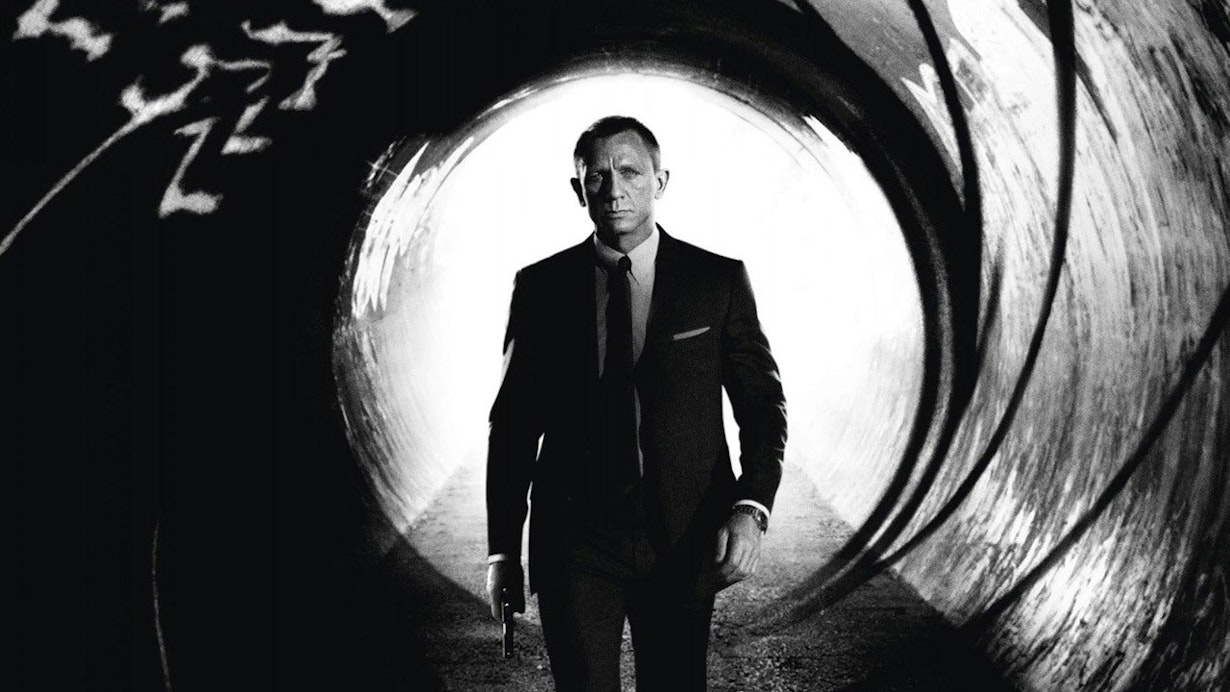
Daniel Craig as 007
Change, indeed, is in the air. The latest Bond book has been written by a woman. 007 has been joined by a trio of double-O agents who represent a diverse spread of ethnicities and genders. They're out to save the world, not from an evil genius with a cat and a scar, but from the shadow on our future - climate change.
The book is the first of a trilogy. Casting and location scouting is probably already underway.
But one thing will never change, and it shouldn’t. All the Bond movies have EON Films in the credits. That was the one-desk company created by Broccoli and Salzman when they threw everything they owned, or could borrow, into a movie with an unknown lead. Like Ian Fleming, they loved the thrill of stacking all the chips onto one number.
People have assumed that the name came from some grandiose notion about making films that would last forever.
Not so. EON is not about time.
It’s an acronym. For an attitude. The same attitude that Barbara Broccoli, her father’s daughter, still leans into when she has a tough decision to make.
EON. Everything Or Nothing.
Paul Cardwell, The Laughing Saboteur